Introduction
Mycotoxins are low molecular weight secondary metabolites produced by filamentous fungi, whose synthesis depends on specific environmental conditions of temperature and humidity (Bennet et al., 2023). These toxic compounds can be classified according to various criteria, such as the timing of production, their chemical characteristics, or their toxicity; one of the most commonly used criteria being the type of producing fungus. According to this criterion, the best-known fungal species are Aspergillus, Penicillium, and Fusarium; the mycotoxins produced by the latter species are denominated fusariotoxins (Stanković et al., 2012).
Within common mycotoxins, compounds known as fumonisins, zearalenone, and trichothecenes, which encompass deoxynivalenol (DON) and T-2 toxin, are produced by fungi of the genus Fusarium spp. On the other hand, there are other emerging mycotoxins, such as enniatins and beauvericin, which are also considered fusariotoxins. This group represents a chemically diverse set of toxins with a wide distribution in raw materials and animal feed (Desjardins and Proctor, 2007).
The relevance of mycotoxins in poultry layers resides in their capacity to compromise profitability through chronic adverse effects that do not always result in immediate mortality. Although hens usually present a higher tolerance than other species, the ingestion of contaminated feed generates a loss of feed efficiency and a notable decrease in egg mass production. These repercussions extend to physiological health, manifesting in hematological alterations, changes in biochemical profile, and damage to target organs (Chowdhury et al., 2005; Zhu et al., 2023; Puvaca et al., 2024).
Regarding the toxicity of the best-known fusariotoxins, their effect on poultry performance has been widely studied. In the case of fumonisins, these mycotoxins are highly prevalent compounds related to lipid metabolism, given their sphingolipidic nature. Consequently, hepatotoxicity is one of their primary effects; toxin accumulation in the liver, as well as cases of inflammation and degeneration, have been reported in poultry (Kövesi et al., 2024). Furthermore, fumonisins generate significant alterations in the intestinal epithelium; that compromise the permeability of this fundamental barrier, hindering its function at both the digestive and immune levels (Tomaszewska et al., 2021).
Furthermore, DON has been linked in laying hens to a significant disruption of the intestinal barrier, affecting its integrity and leading to cases of dysbiosis (Zhai et al., 2022). Additionally, that this mycotoxin alters tissues with high protein turnover, making it also highly toxic to the liver and the immune system (Lee et al., 2012). Thus, fumonisins and DON have been extensively linked, as synergistic interactions are established between them. Their toxicities combine through cellular-level processes, such as the production of reactive oxygen species (ROS), responsible for oxidative stress. At the clinical level, subclinical cases of necrotic enteritis have been reported in poultry due to simultaneous exposure to these toxins (Antonissen et al., 2014).
Among fusariotoxins, zearalenone poses a significant risk for laying hens, highlighting the fact that their production cycle is considerably long and, therefore, they are chronically exposed to these contaminants. Its toxic effects compromise performance because, of its estrogenic nature, leading to ovarian degeneration, atrophy, and hormonal imbalances (Yuan et al., 2022; Cheng et al., 2017). Its toxicity also affects the absorption and metabolization of mineral compounds, which conditions egg quality, having been linked to poor shell quality and internal alterations (Yuan et al., 2022). Being generally related to the reproductive system, its effects on hepatic and intestinal health have been less studied; however, this mycotoxin triggers hepatic inflammation and reduces the intestinal absorption surface (Wang et al., 2024).
Demonstrated efficacy of BIŌNTE® QUIMITŌX® PLUS in laying hens under real-field conditions
In this context, the need arises to demonstrate the efficacy of BIŌNTE® QUIMITŌX® PLUS, an anti-mycotoxin solution based on three modes of action: adsorption, bioprotection, and post-biotic effect; in laying hens challenged by a multi-contaminated diet. To this end, a field study was proposed with animals exposed to feed contaminated by fumonisins, DON, and zearalenone, representing a real and effective situation to demonstrate the product’s efficacy.
This study was conducted using two experimental groups of 92-week-old laying hens were established, both received the same diet, though one was supplemented with BIŌNTE® QUIMITŌX® PLUS. The diet was naturally contaminated by fusariotoxins, specifically containing: 2,360 ppb of fumonisins, 1,760 ppb of DON, and 184.42 ppb of zearalenone; while aflatoxins, ochratoxins A, and T-2 toxin were also analyzed, they were not detected (Table 1). This contamination level was classified as a high risk for the animals, considering the synergistic interaction between these contaminants and the specific conditions of the animals. To address this challenge, a dose of 1.5 kg/t of BIŌNTE® QUIMITŌX® PLUS was administered to the supplemented group.
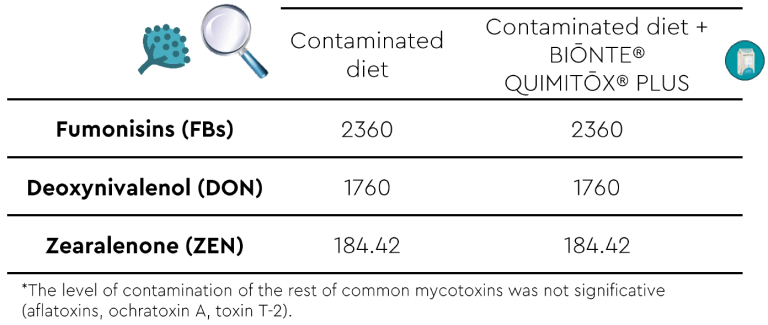
Table 1. Contamination levels of the diet in both experimental groups.
Throughout the experimental study, productive parameters and egg quality were monitored, and various findings were recorded during necropsies (Figure 1). The trial was conducted over a 6-week period.
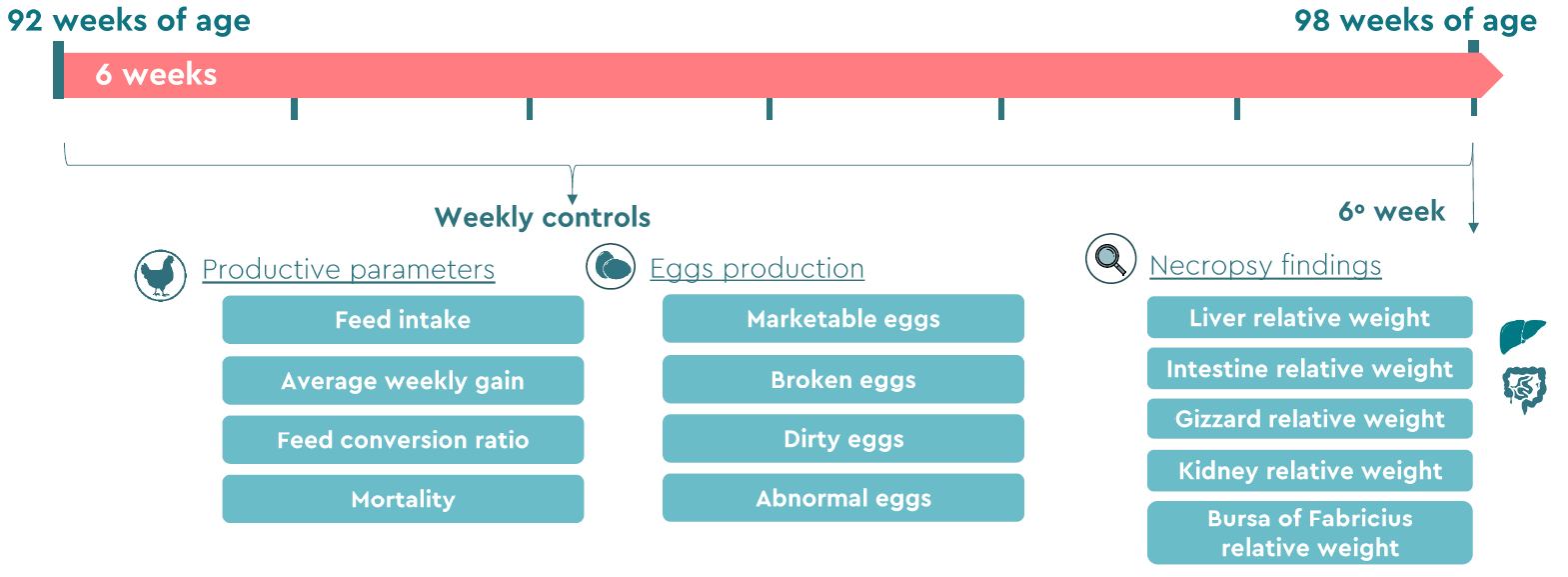
Figure 1. Controls and samplings carried out throughout the study.
The results showed the efficacy of BIŌNTE® QUIMITŌX® PLUS in improving the productive parameters in laying hens. Thanks to the supplementation, the animals stabilized their feed intake, while simultaneously increasing their productive efficiency.
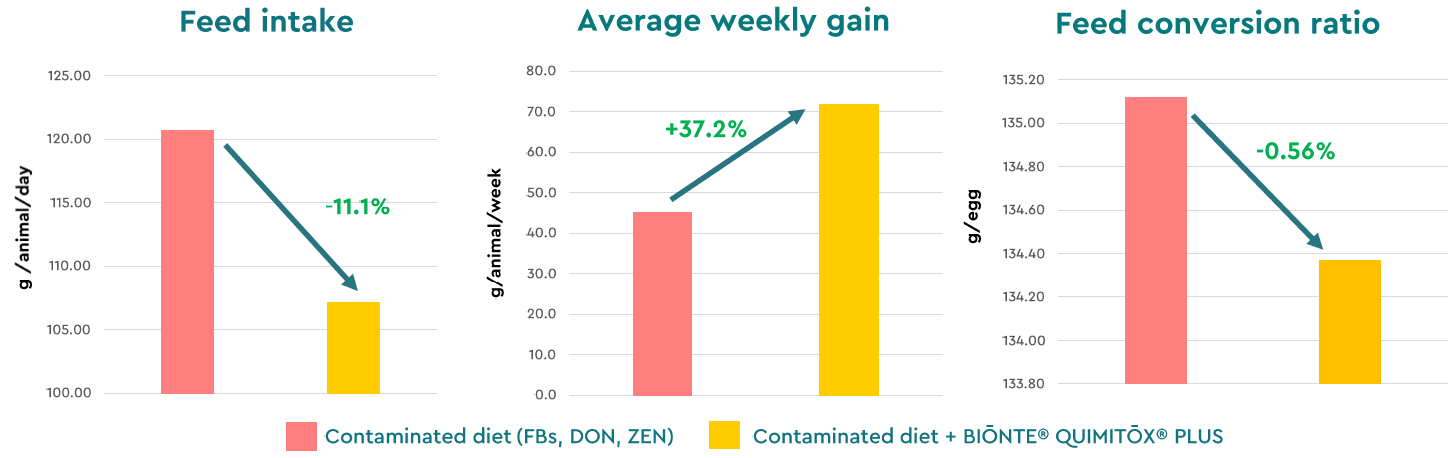
Figure 2. Recorded productive parameters.
The group of animals exposed to the diet contaminated with fusariotoxins presented compensatory hyperphagia, recording a feed intake higher than the breed standards (Figure 2). This behavior suggests an attempt by the animals to mitigate the nutritional deficit caused by mycotoxins, which directly interfere with intestinal nutrient absorption.
In contrast, supplementation with BIŌNTE® QUIMITŌX® PLUS optimized productive efficiency, stabilizing the amount of feed consumed while simultaneously increasing weight gain in the animals. This improvement in health status led to a 13.8% reduction in the feed conversion ratio (FCR), confirming superior performance through the use of the product (Figure 2).
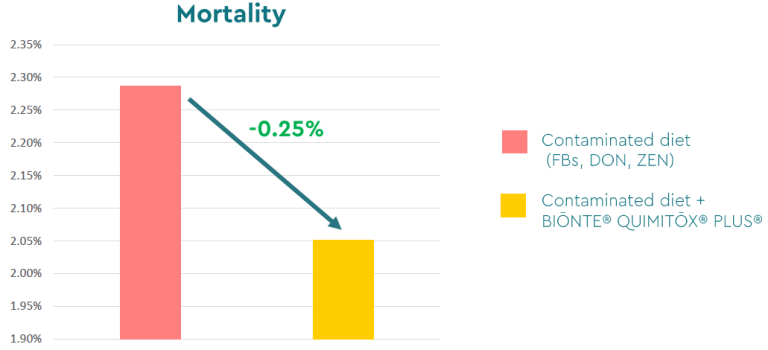
Figure 3. Recorded mortality.
Similarly, BIŌNTE® QUIMITŌX® PLUS reduced mortality in the animals exposed to these fusariotoxins. Its capacity for mycotoxin mitigation, not only through adsorption but also due to its postbiotic, anti-inflammatory, and immunomodulatory properties, optimizes the immune status of the laying hens, increasing their resilience to stressors and pathogens, which results in a reduction of mortality losses.
This reduction in mortality was 0.25%, a figure that, when extrapolated to the total trial population (65,190 hens), is equivalent to preventing the loss of 163 animals in just 6 weeks (Figure 3). Consequently, this improvement in survival represents a significant advancement in operational efficiency and farm profitability.
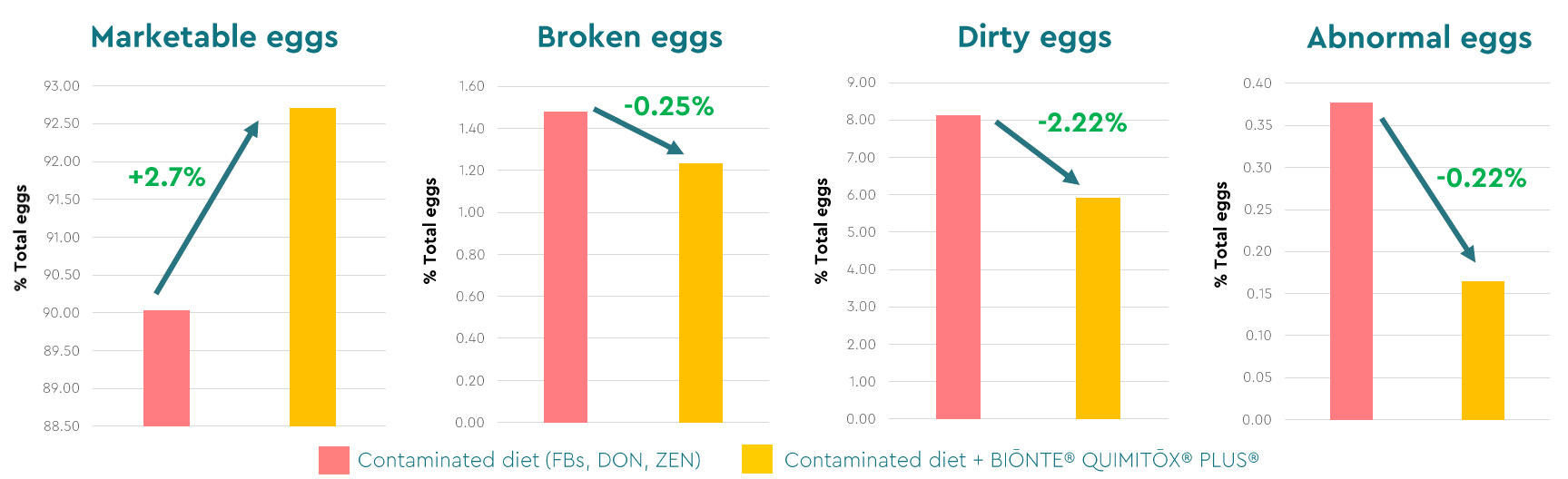
Figure 4. Percentages of types of eggs produced.
The results in Figure 4 corroborate the positive impact of BIŌNTE® QUIMITŌX® PLUS on egg quality. Supplementation succeeded in increasing the proportion of marketable intact eggs by 2.7%, with a reduction of 0.25% in broken eggs and 2.22% in dirty eggs. These findings are consistent with scientific literature, which associates mycotoxin exposure with a decline in the performance of laying hens (Kulcsár et al., 2023).
Specifically, mycotoxins such as DON have been linked to smaller egg size and deficient shell quality (Danicke et al., 2002; Kubena et al., 1987). This loss of mechanical strength usually derives from the toxins’ interference with the metabolism of calcium, zinc, and key vitamins such as A, E, and D3 (Devegowda et al., 2008). Likewise, given that toxins like zearalenone can compromise internal quality (albumen and yolk), the monitoring of these types of parameters is proposed for future trials.
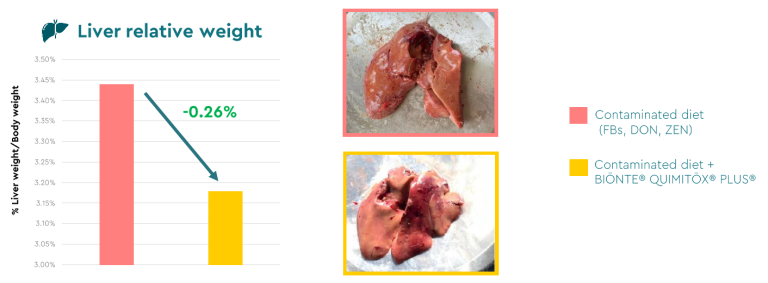
Figure 5. Liver relative weight.
Supplementation with BIŌNTE® QUIMITŌX® PLUS effectively mitigated the hepatotoxicity induced by fusariotoxins, achieving a 0.26% reduction in relative liver weight. This decrease is a key indicator of the reduction in inflammation and hepatic degeneration reported for toxins such as fumonisins and DON (Kövesi et al., 2024; Lee et al., 2012). By preserving the integrity of the liver, a central organ in lipid metabolism and yolk synthesis, the product guarantees production continuity in chronically challenged hens.
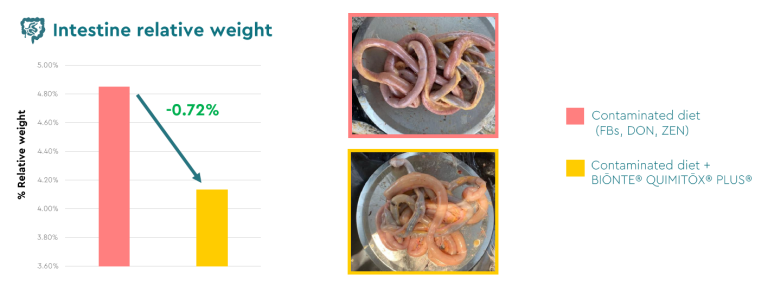
Figure 6. Relative intestine weight.
Also, being the organism’s first barrier to face mycotoxins, the intestine suffers severe inflammatory processes that compromise its function, and thereby nutrient absorption and bone homeostasis (Tomaszewska et al., 2021). In this study, supplementation with BIŌNTE® QUIMITŌX® PLUS achieved a 0.72% reduction in relative intestinal weight, reflecting a significant alleviation of epithelial inflammation. This recovery of tissue integrity justifies the higher feed efficiency observed, allowing the animal to optimize nutritional absorption and improve its productive performance.
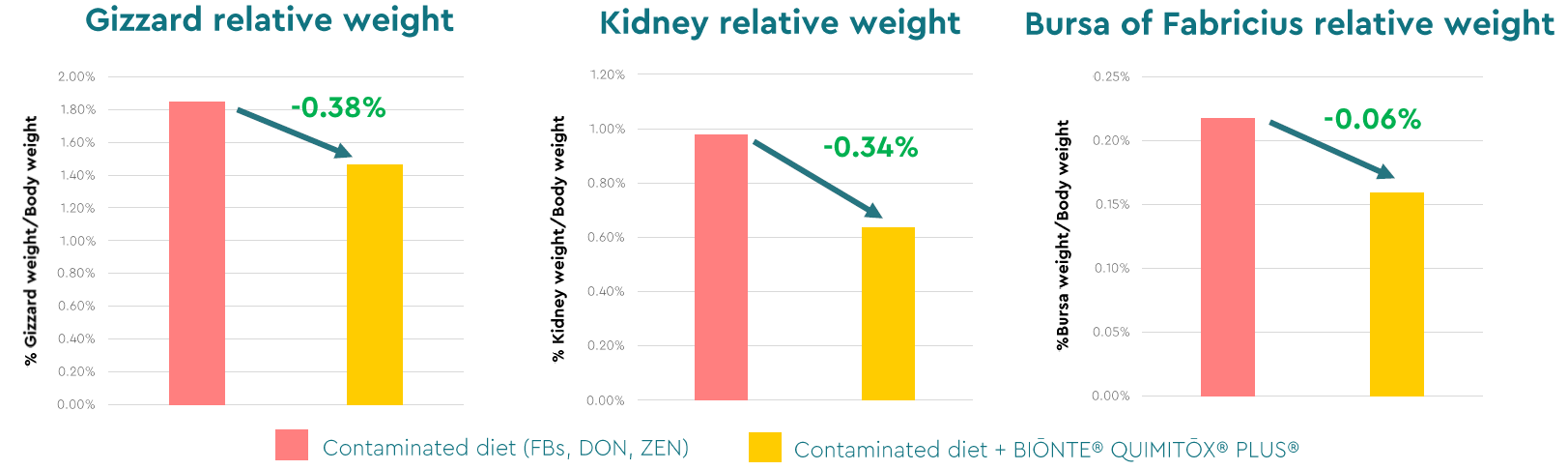
Figure 7. Relative weight of gizzard, kidneys, and bursa of Fabricius.
Additionally, supplementation with BIŌNTE® QUIMITŌX® PLUS reduced the relative weight of the gizzard (0.38%), the kidneys (0.34%), and the bursa of Fabricius (0.06%). These reductions indicate a decrease in mechanical and chemical irritation within the upper digestive tract, alongside a mitigation of metabolic and immune stress in excretory and defensive organs. Collectively, these data confirm that the product acts systemically, protecting the integrity of key organs against multi-organ challenge posed by fusariotoxins.
Conclusion
In conclusion, chronic exposure to fusariotoxins compromises productive performance, liver function, intestinal epithelial integrity, and the immune status of laying hens. The use of BIŌNTE® QUIMITŌX® PLUS demonstrated high efficacy in mitigating these adverse effects, acting not only as a sequestering agent but as an integral metabolic protector.
By reducing inflammatory processes and oxidative stress in key organs, the product restores physiological homeostasis and nutrient absorption efficiency. This systemic improvement in animal health translates directly into an optimization of productive performance, guaranteeing higher survival and superior marketable egg quality under conditions of mycotoxin challenge.