Introduction
The increasing use of plant-based materials in aquafeed formulation entails a growing risk of contamination by mycotoxins, which can affect both animal and consumer health, as well as the productivity of farming operations.
Among these, aflatoxins constitute one of the most abundant and dangerous groups of mycotoxins, having been detected in raw materials, feed, and even water samples (Wang et al., 2023). Aflatoxins are produced by species of the genus Aspergillus, mainly A. flavus and A. parasiticus, which synthesize aflatoxins B1, B2, G1, and G2 (Cáceres et al., 2020).
Aflatoxin B1, in particular, is classified as a Group 1 carcinogen by the WHO (World Health Organization) and is internationally regulated (Ruan et al., 2023). However, the frequent exclusion of other aflatoxins from analytical testing may represent an emerging public health concern due to the underestimation of their toxicity (Wang et al., 2023).
Aflatoxins negatively affect both productive performance and the health of aquaculture species, causing reduced weight gain and survival. In Nile tilapia (Oreochromis niloticus), they have been shown to impair growth, liver function, oxidative status, meat quality, and immune and respiratory systems, ultimately compromising survival (Deng et al., 2010).
| AFB1 EFFECTS ON NILE TILAPIA | ||||
| Productive parameters | Protein synthesis | Immune system | Oxidative stress and antioxidant capacity | Blood biomarkers |
| ↓ Final weight ↓ Weight gain ↓ Specific growth rate | ↓ Albumin and globulin ↓ Albumin/globulin ratio ↓ Total protein Altered renal function: ↑ Urea ↑ Creatinine | ↑ Lysozyme ↓ Respiratory burst activity ↑ IL-1β, caspase, HSP70 ↓ TGF-β1 | ↑ Malondialdehído (MDA) ↓ Superoxide dismutase (SOD) ↓ Catalase (CAT) ↓ Glutathione (GSH) | ↑ Mean corpuscular volume (MCV) ↑ Mean corpuscular hemoglobin (MCH) ↓ Mean corpuscular hemoglobin concentration (MCHC) ↓ Red blood cell count (RBC) ↓ Hemoglobin (HB) |
Greeff-Laubscher et al., 2020; Marijani et al., 2019; Kolawole et al., 2022; Hassaan et al., 2020; Zahran et al., 2020; Selim et al., 2014
BIŌNTE® QUIMITŌX® AQUA as a strategy against the effects of AFB1 in Nile Tilapia
BIŌNTE® QUIMITŌX® AQUA is an anti-mycotoxin product formulated as a specialized adsorbent for aquatic species. In addition to its effective adsorption capacity, it incorporates a bioprotection strategy against mycotoxins through the inclusion of orange peel meal in its formulation.
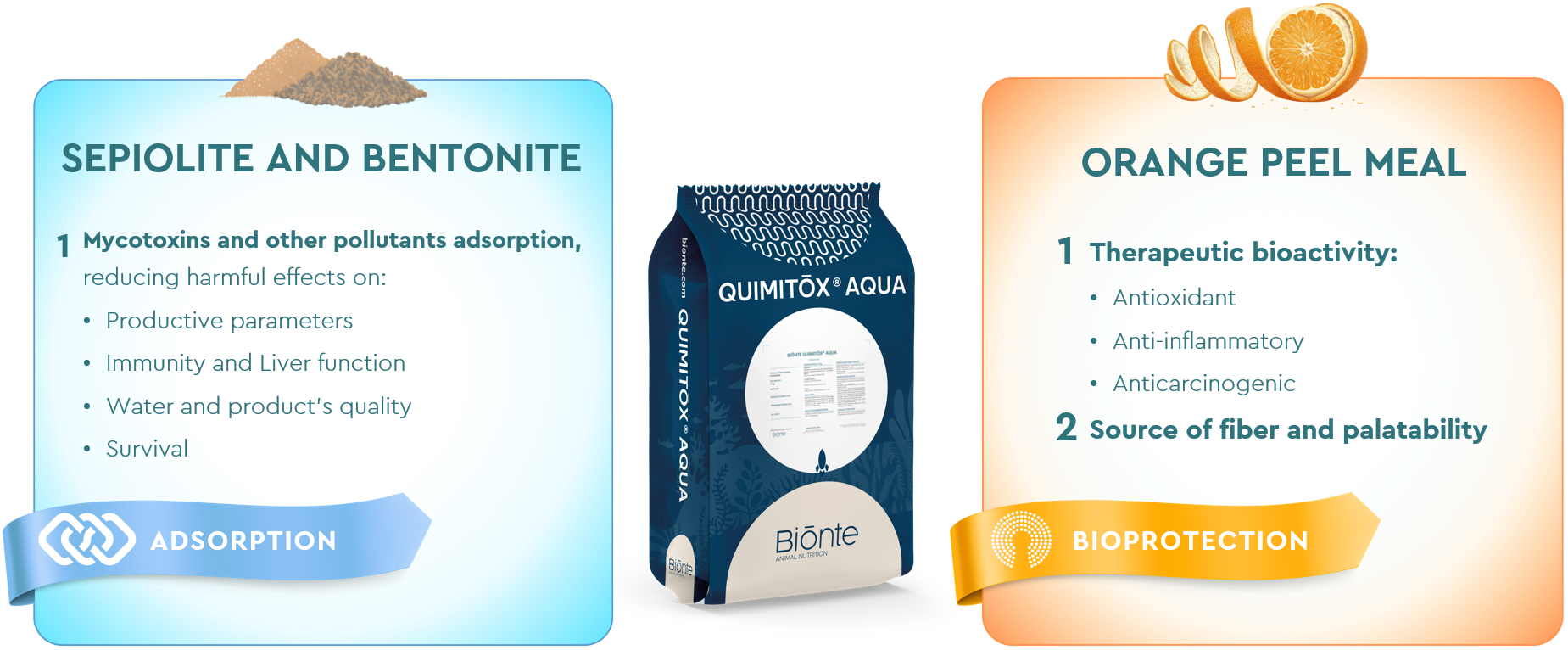
To evaluate the efficacy of BIŌNTE® QUIMITŌX® AQUA in Nile tilapia, the following in vivo study was conducted in collaboration with Mansoura University (Egypt).
Materials and Methods: Experimental design
The aim of the study was to demonstrate the in vivo efficacy of BIŌNTE® QUIMITŌX® AQUA in tilapia exposed to a diet contaminated with aflatoxin B1 (AFB1).
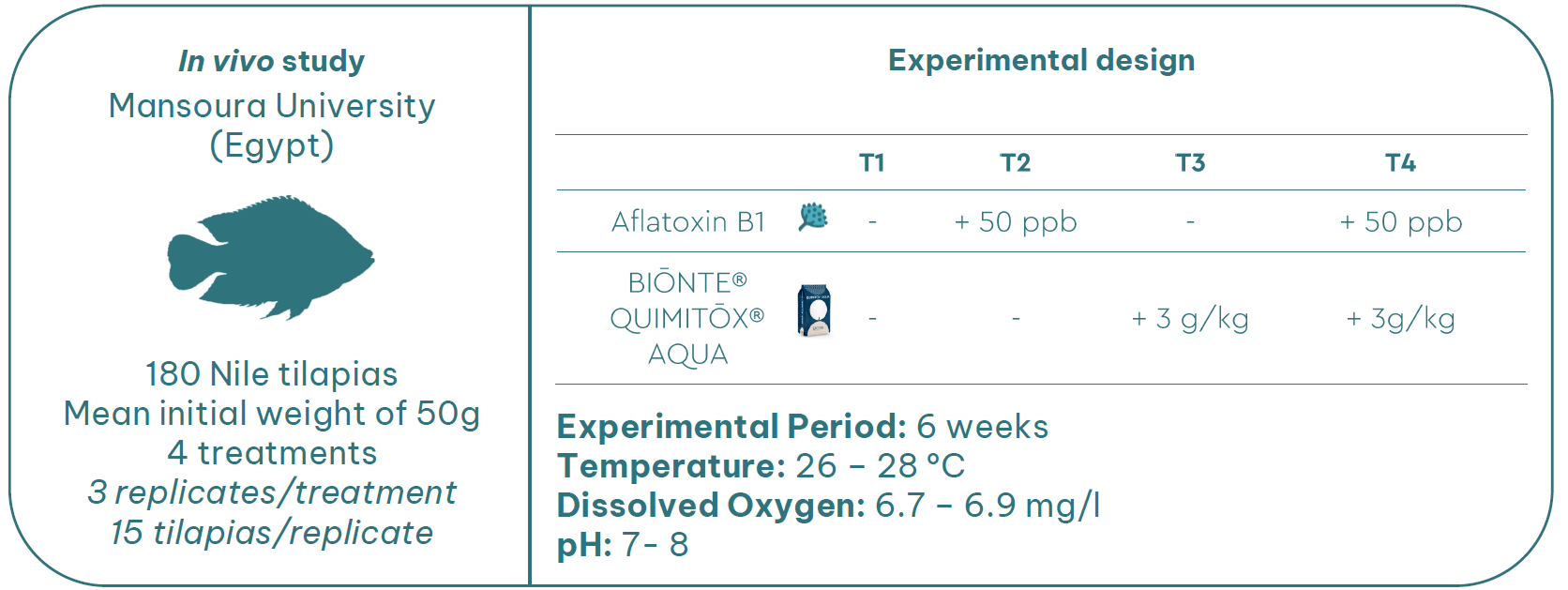
Figure 1. Experimental design.
The experimental design included four groups: A control group (T1) receiving a diet without mycotoxins, a second group fed with a diet contaminated with critical levels of aflatoxin B1 (T2), a third group fed with a diet which included 3 g/kg of BIŌNTE® QUIMITŌX® AQUA (T3), and a final group fed with the contaminated diet supplemented with the same dose of BIŌNTE® QUIMITŌX® AQUA (T4).
During the trial, culture conditions—including water temperature, dissolved oxygen, and pH—were monitored daily. At the end of the experimental period, six fish per group were sampled to evaluate productive parameters. Blood samples were taken for hematological, biochemical, and immunological analyses. Additionally, the liver, intestine, and spleen were collected for studies on oxidative stress, gene expression, and histopathology. Finally, muscle samples were analyzed to determine the presence of aflatoxin B1 residues.
Results
The main results obtained in the study for the different trial groups are presented below. To facilitate reading, only those corresponding to groups T1, T2, and T4 are included.
For a more complete and detailed review of these findings, it is recommended to consult the scientific article through the following link:
BIŌNTE® QUIMITŌX® AQUA alleviated the effects of AFB1 on protein synthesis and renal function in tilapia, thereby enhancing productive parameters.
The exposure of tilapias to a diet contaminated with aflatoxin B1 (50 µg/kg) caused a significant alteration in protein metabolism and renal function, reflected by a decrease in total serum proteins (albumin and globulin) and an increase in urea and creatinine levels. These alterations are directly related to the hepatorenal damage induced by AFB1, compromising nutrient utilization and the animals’ growth.
The inclusion of BIŌNTE® QUIMITŌX® AQUA (3 g/kg) in the contaminated diet allowed for a significant improvement in these biochemical parameters, normalizing urea and creatinine levels and favoring the recovery of protein metabolism. Consequently, the supplemented fish showed a recovery in final weight, weight gain, and specific growth rate, reaching values comparable to those of the control group.
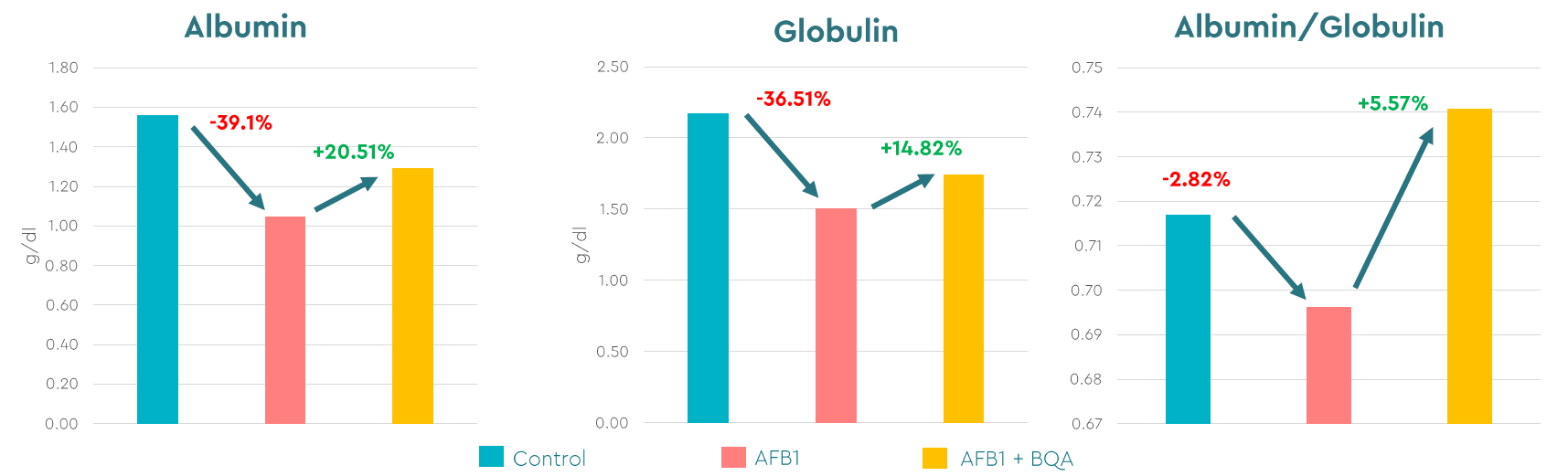
Figure 2. Protein synthesis parameters.
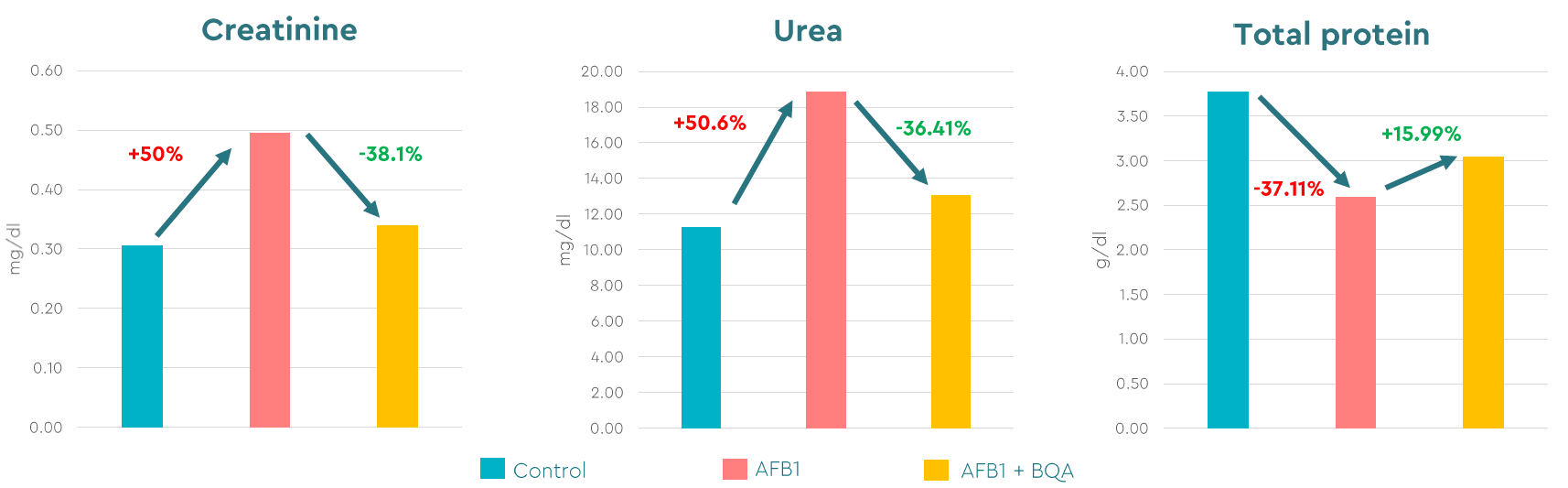
Figure 3. Kidney function indicators.
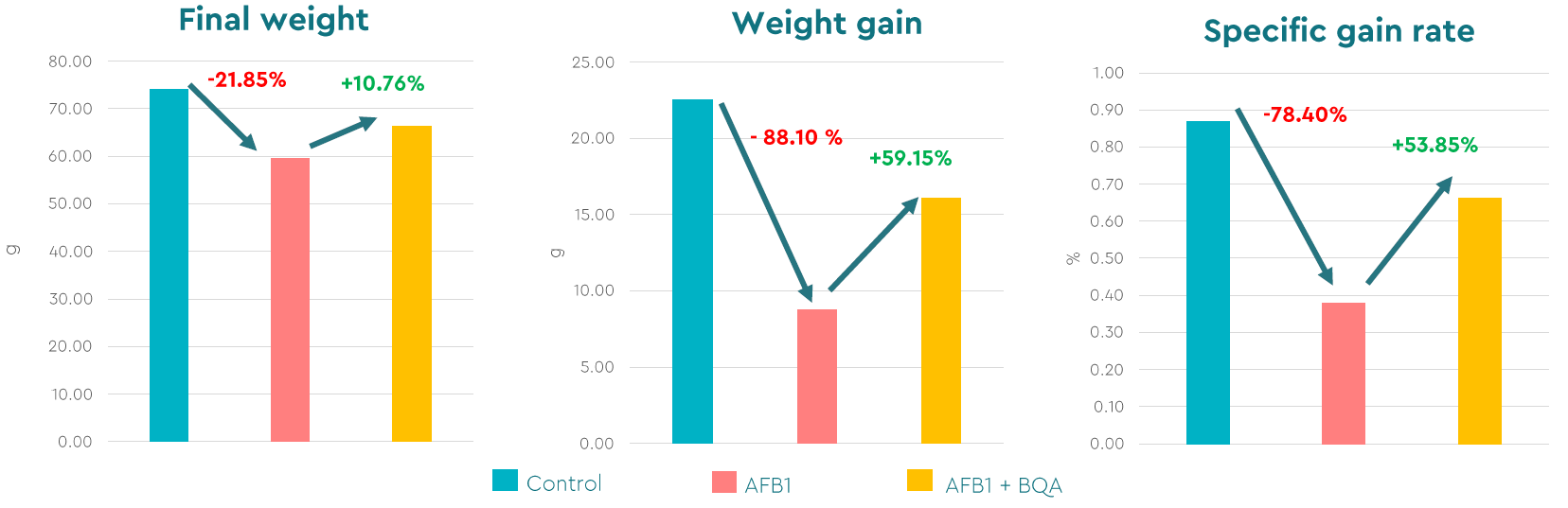
Figure 4. Productive parameters.
BIŌNTE® QUIMITŌX® AQUA reduced AFB1 toxicity and mitigated the associated blood damage.
Aflatoxin B1 induced hematological alterations in tilapia, characterized by anemia, with a significant decrease in the number of erythrocytes, hemoglobin, and hematocrit. These changes reflect the systemic impact of AFB1 on blood physiology and oxygen-carrying capacity.
Supplementation with BIŌNTE® QUIMITŌX® AQUA effectively countered these effects, bringing the main hematological parameters close to values similar to those of the control group. These results confirm the protective role of the product against hematological damage induced by aflatoxin B1.
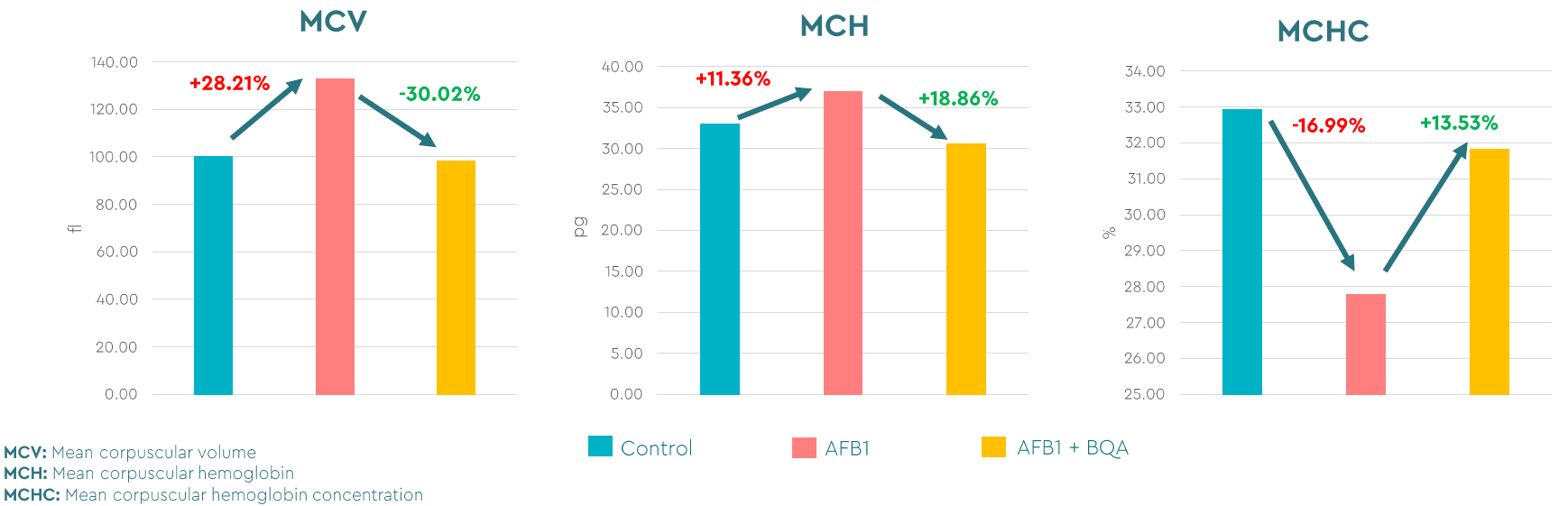
Figure 5. Hematology biomarkers (MCV, MCH y MCHC).
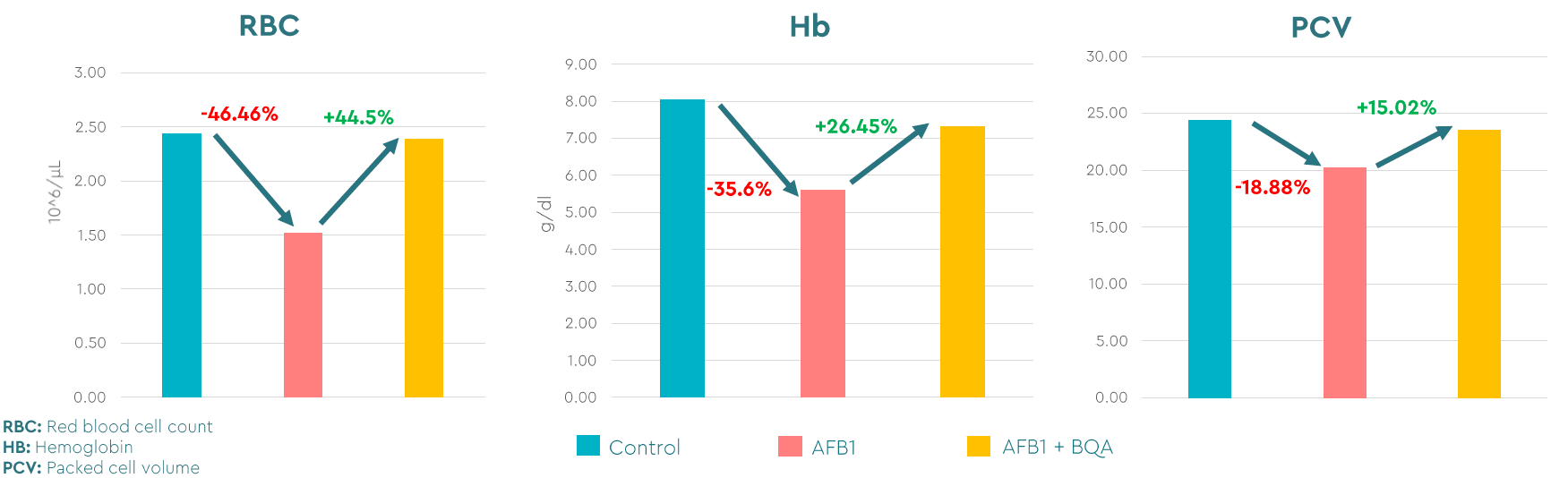
Figure 6. Hematology biomarkers (RBC, Hb y PCV).
BIŌNTE® QUIMITŌX® AQUA countered the oxidative stress caused by AFB1 in the tilapias.
The presence of AFB1 in the diet generated a marked state of oxidative stress, evidenced by a significant increase in lipid peroxidation (MDA) and a reduction of key antioxidant enzymes (SOD, CAT, and GSH). This oxidative imbalance is directly implicated in the cellular and tissue damage observed in the exposed tilapia.
The inclusion of BIŌNTE® QUIMITŌX® AQUA significantly reduced MDA levels and improved the activity of antioxidant enzymes, restoring a redox balance in the liver similar to that of the control group. This effect demonstrates the product’s ability to mitigate the oxidative damage associated with mycotoxin exposure.
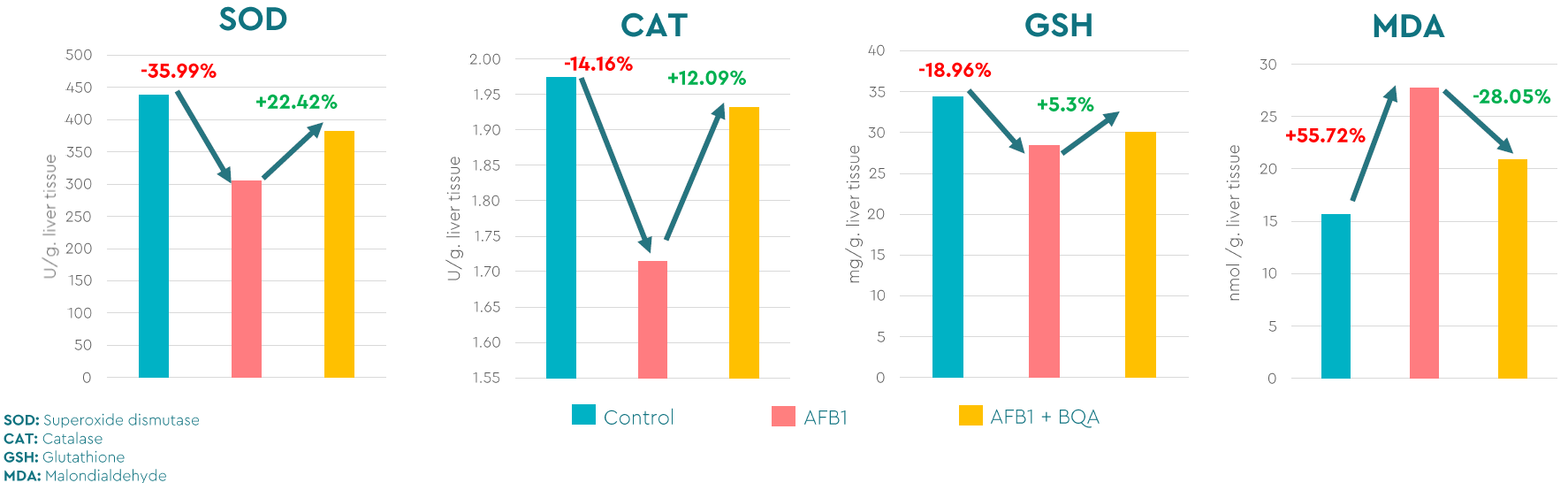
Figure 7. Oxidative stress biomarkers.
BIŌNTE® QUIMITŌX® AQUA alleviated the effects of AFB1 on the immune system of tilapia.
Exposure to AFB1 negatively affected the innate immunity of the tilapia, causing a significant decrease in the respiratory burst and alterations in lysozyme activity, which are key indicators of defensive capacity against pathogens.
The administration of BIŌNTE® QUIMITŌX® AQUA allowed these immunological parameters to be normalized, recovering the functionality of the innate immune system. This immunomodulatory effect contributes to improving the animals’ resistance to stress situations and health challenges associated with mycotoxin contamination.
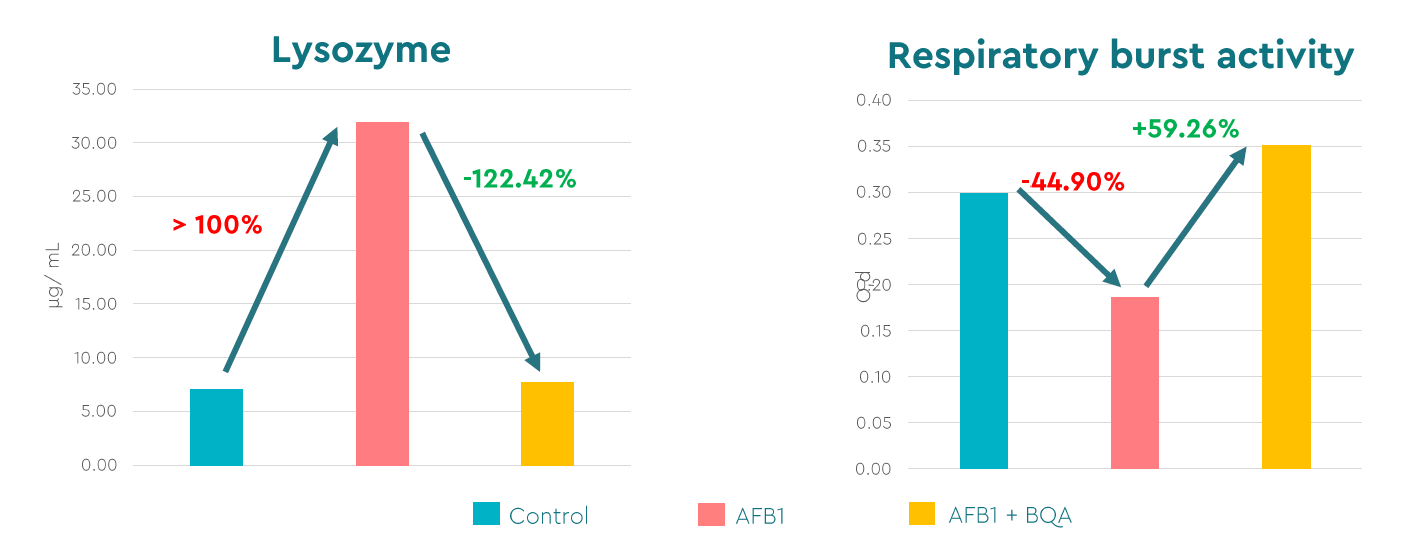
Figure 8. Immune response biomarkers.
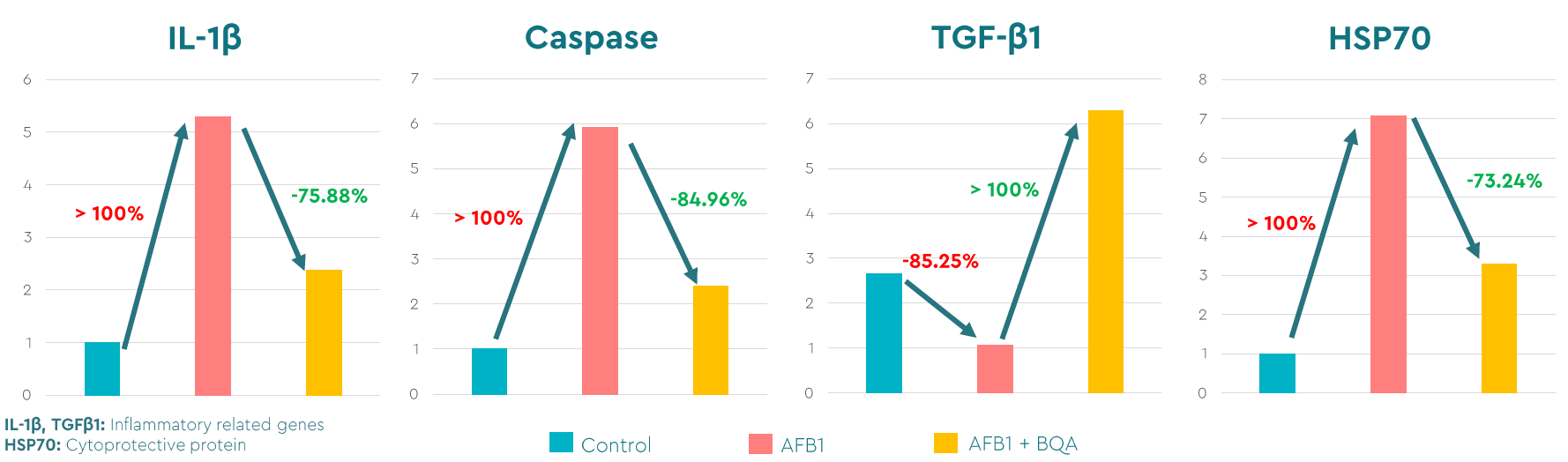
Figure 9. Immune response biomarkers.
BIŌNTE® QUIMITŌX® AQUA reduced the bioaccumulation of AFB1 in tilapia tissues.
The bioaccumulation of aflatoxin B1 in the muscle represents one of the main risks associated with feed contamination, affecting both animal health and food safety. In the group exposed only to AFB1, muscle concentrations of 10,269 ng/kg were detected at 2 weeks and 77,308 ng/kg at 6 weeks.
Supplementation with BIŌNTE® QUIMITŌX® AQUA drastically reduced these levels, achieving a decrease of 95.9% at 2 weeks and 99.6% at 6 weeks, bringing AFB1 concentrations to values near the detection limit. These results confirm the high efficacy of the product in reducing the transfer of mycotoxins to edible tissues.
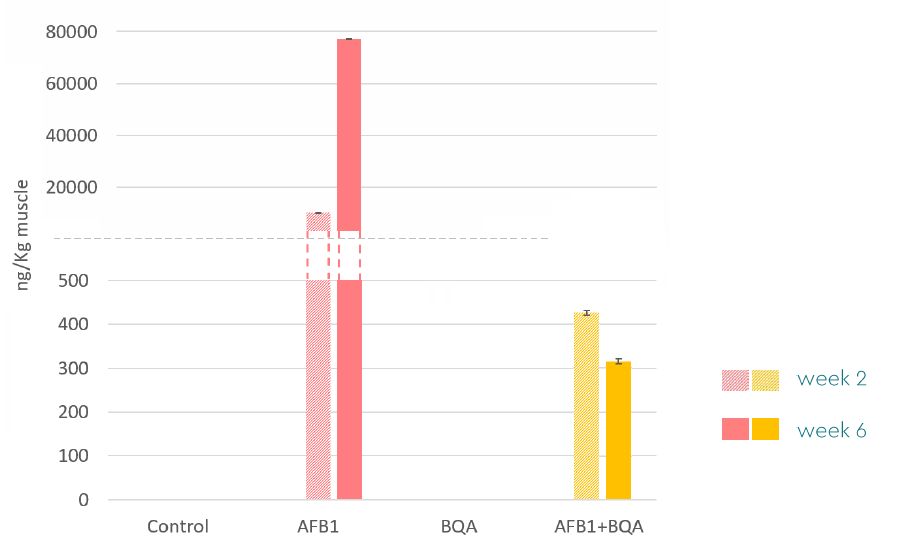
Figure 10. Accumulation of AB1 in muscle tissue
BIŌNTE® QUIMITŌX® AQUA countered the histopathological lesions caused by AFB1.
Histopathological analysis revealed that AFB1 caused severe lesions in the liver, spleen, and intestine, including diffuse hepatic necrosis, extensive splenic alterations, and structural intestinal damage that compromises nutrient absorption.
Lesions were notably reduced in animals receiving BIŌNTE® QUIMITŌX® AQUA, with only mild to moderate alterations observed and a clear preservation of tissue architecture. This protective effect confirms the product’s ability to mitigate structural damage induced by aflatoxin B1 and promote the integrity of target organs
Among the damages produced in the liver by AFB1, hemorrhages, necrotic hepatocytes, and fibrosis stand out. These clinical signs were absent in the group provided with both the mycotoxin and the product.
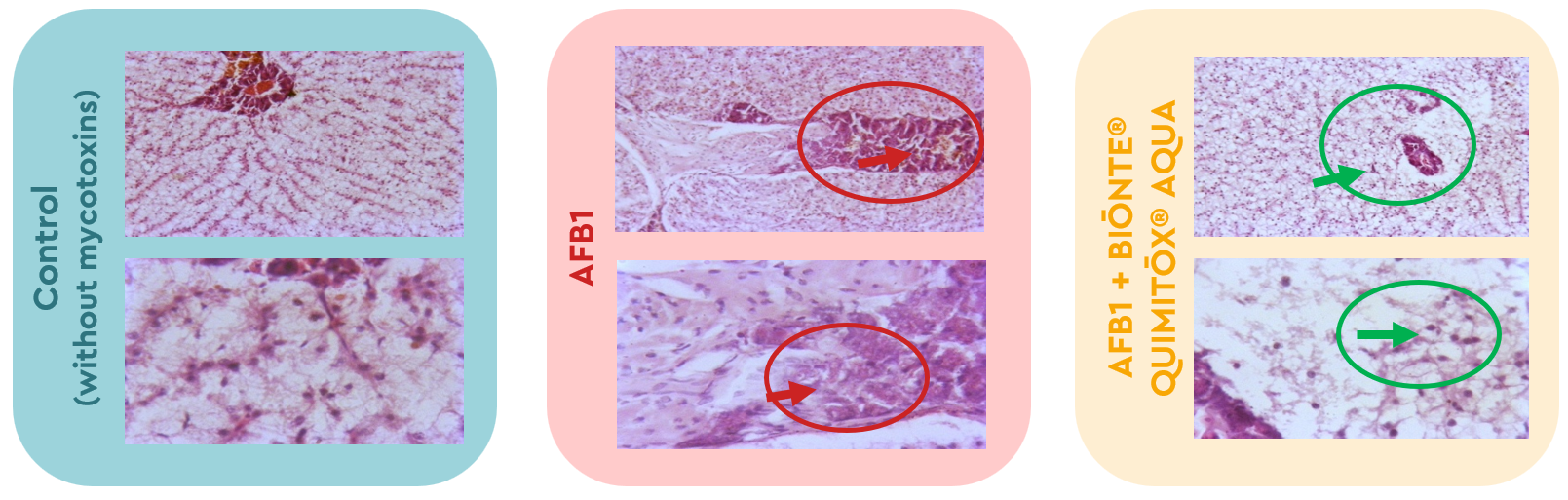
Figure 11. Histopathological lesions: Liver.
Regarding the spleen, the main damage observed was granulomatous inflammation, which was reduced in the group that received both the mycotoxin and the dose of BIŌNTE® QUIMITŌX® AQUA.
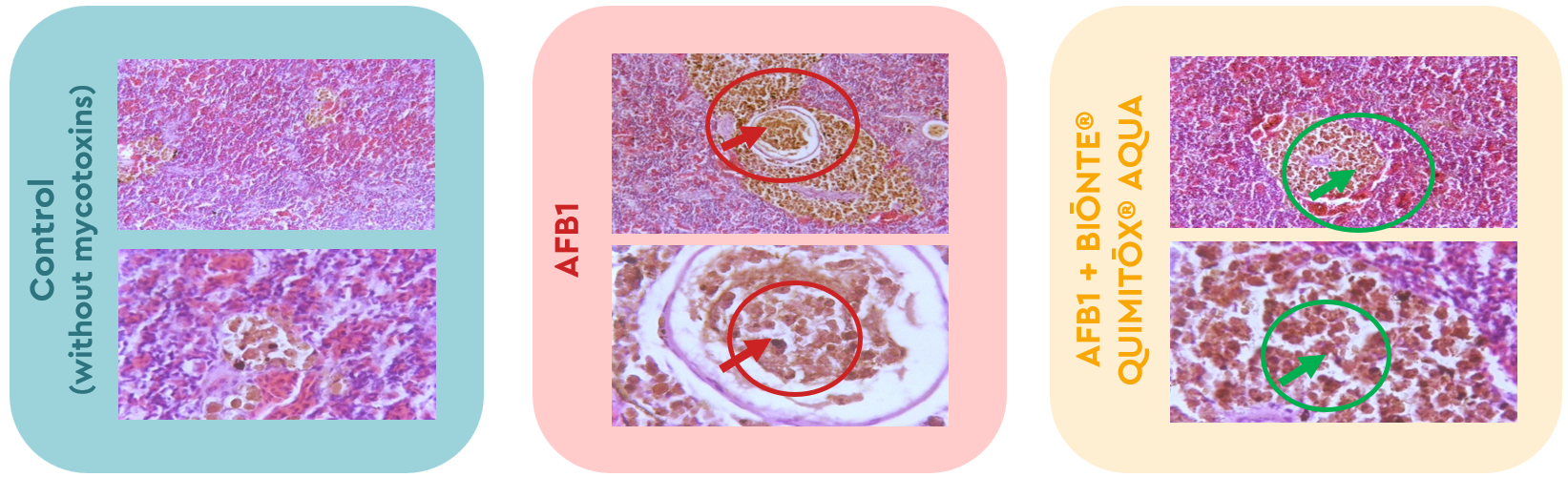
Figure 12. Histopathological lesions: Spleen.
Similarly, the lesions produced by AFB1 in the intestine were characterized by tissue inflammation and necrosis, which were reduced in the group that also received the treatment.
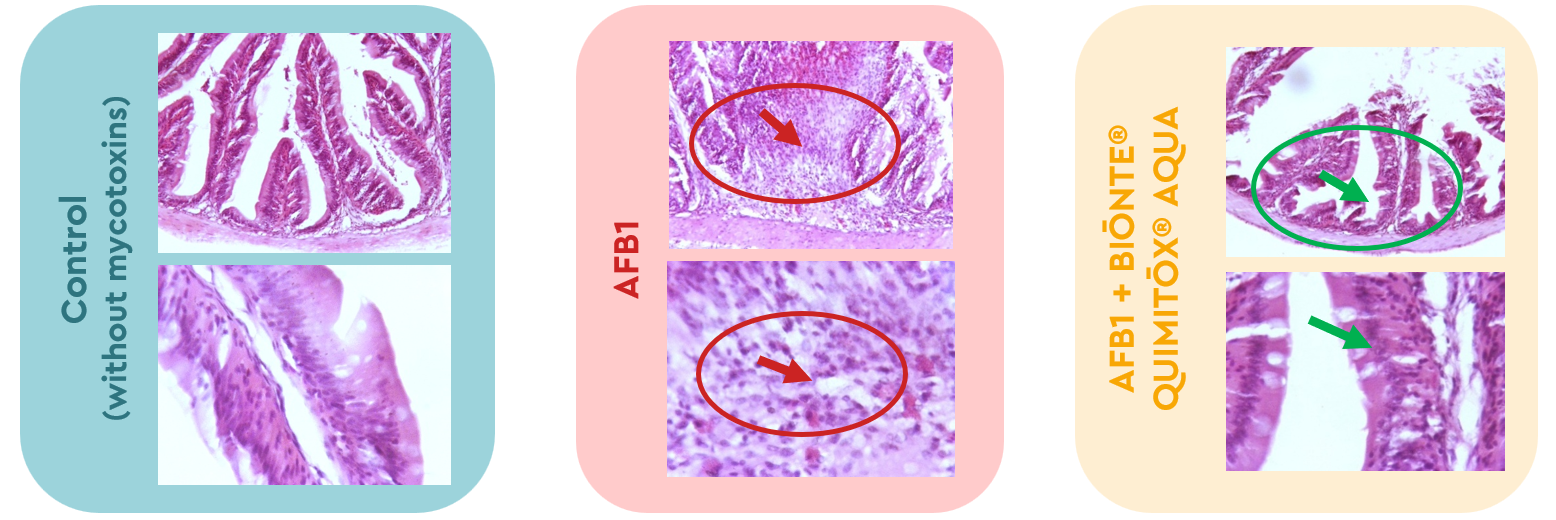
Figure 13. Histopathological lesions: Intestine.
Conclusion
Aflatoxins are highly prevalent mycotoxins in raw materials and feed that negatively affect the health of various aquatic species, including tilapia. Consequently, they worsen productive parameters, cause damage to different organs, and compromise the immune system, which seriously harms both health and performance.
The results of this in vivo study demonstrated that the administration of BIŌNTE® QUIMITŌX® AQUA in Nile tilapia reduced aflatoxin bioaccumulation and improved productive performance, while countering the damage generated by mycotoxins in the liver, spleen, and intestine. Furthermore, it reduced oxidative stress and the resulting hematological damage, thereby favoring the proper recovery of the animals’ immune system.
The inclusion of the product improves the health and welfare of the animals, thereby contributing to the enhancement of profitability for tilapia aquaculture operations.