Introduction
Respiratory diseases represent one of the main threats affecting swine production. Their occurrence on farms leads to a marked decline in productivity due to high mortality rates, increased expenditure on treatments, and delayed animal growth. In this context, mycotoxins—toxic metabolites produced by various fungi—exert detrimental effects in pigs, contributing to an increased incidence of respiratory disorders.
Immunotoxicity
The most prevalent mycotoxins, including aflatoxin B1 (AFB1), ochratoxin A (OTA), deoxynivalenol (DON), T-2 toxin (T-2), fumonisin B1 (FB1), and zearalenone (ZEN), are characterised by immunosuppressive effects in animals. However, their effects on the immune system are more accurately described as immunotoxic, reflecting their capacity to exert both immunosuppressive and immunostimulatory effects (Sun et al., 2022).
The immunosuppressive effects of mycotoxins increase the susceptibility of animals to disease. Conversely, their immunostimulatory capacity may also adversely affect animal health by inducing exaggerated inflammatory responses that can involve multiple vital organs (Sun et al., 2022).
Overall, the immunological effects of mycotoxins render livestock, particularly pigs, more susceptible to both bacterial and viral infections. Consequently, their presence in feed increases the incidence of respiratory disorders in pigs.
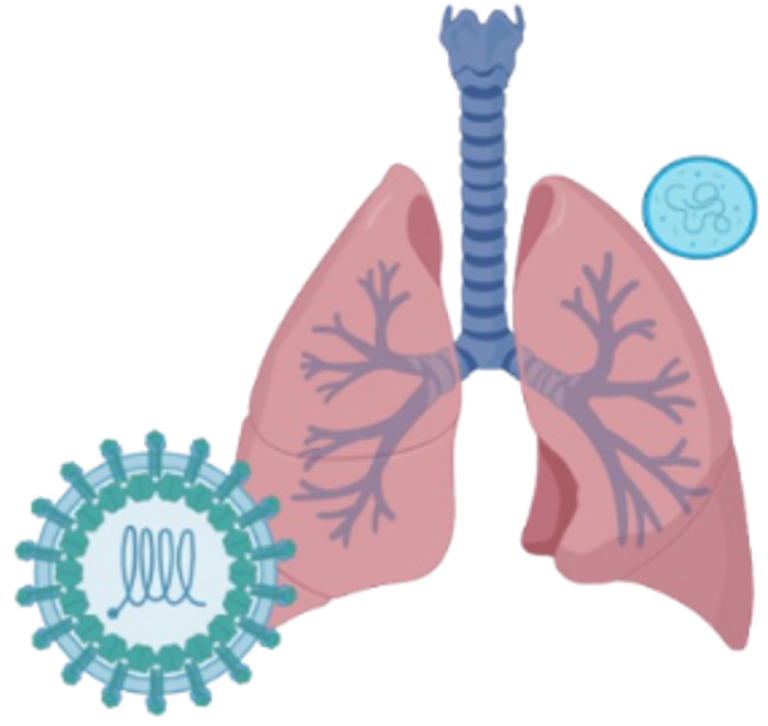
In vivo studies have reported an increased incidence of porcine reproductive and respiratory syndrome virus (PRRSV) following exposure to fumonisin B1 (FB1). In addition, the presence of FB1 in feed has been associated with a higher prevalence of bacterial pathogens involved in respiratory disease, including Mycoplasma hyopneumoniae, the aetiological agent of porcine enzootic pneumonia; Bordetella bronchiseptica, associated with bordetellosis; and Pasteurella multocida, responsible for pasteurellosis (Antonissen et al., 2014).
Porcine pulmonary oedema
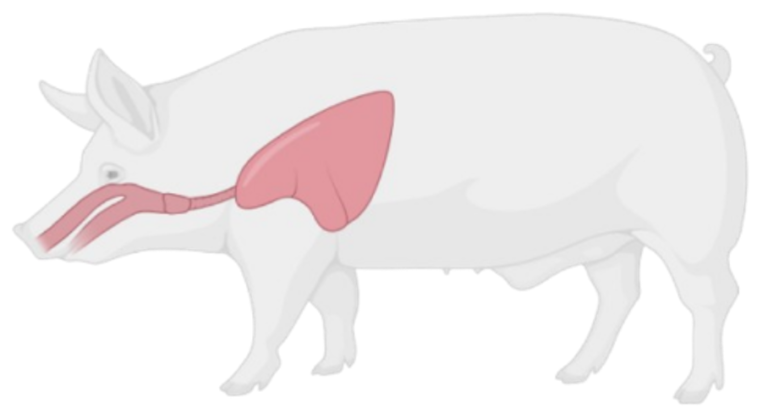
Fumonisins are the mycotoxins most commonly implicated in the development of respiratory diseases in pigs and are considered the primary cause of porcine pulmonary oedema syndrome (Ali et al., 2022).
This condition is characterised by severe respiratory signs, including marked respiratory distress accompanied by apathy and prostration, as well as abdominal effort and open-mouth breathing, and may lead to death in severe cases (Haschek et al., 2021; Mallmann et al., 2011).
Fumonisins also affect the cardiovascular system in pigs by disrupting lipid metabolism through inhibition of ceramide synthase, thereby altering sphingolipid synthesis. This results in increased concentrations of sphingoid bases in the blood, which are associated with impaired cardiac contractility and increased vascular permeability—both considered underlying causes of porcine pulmonary oedema (Haschek et al., 2021; Smith et al., 1996).
Conclusion
Pigs are among the species most susceptible to mycotoxin exposure, and respiratory diseases represent a major threat to swine production. Therefore, effective strategies to control and prevent mycotoxin exposure are essential to limit their contribution to respiratory disease, whether through immunotoxic or direct mechanisms.