Introduction
In the poultry industry, the rapid growth of broiler chickens leads to high feed intake, increasing their exposure to mycotoxins. In addition, young birds have an underdeveloped liver and an immature immune system, which limits their ability to metabolise these toxins and makes them particularly susceptible to their effects (Gómez-Verduzco et al., 2024).
Mycotoxins exert a significant immunosuppressive effect in avian species. They act by inhibiting enzymatic activity, which reduces protein synthesis and, consequently, impairs the immune response.
Although mycotoxin toxicity is frequently associated with enlargement of certain organs, such as the liver, these toxins can also reduce the size of key lymphoid organs, including the thymus, spleen, and bursa of Fabricius. Such reductions result in organ atrophy, which in turn disrupts the lymphoid system and impairs immune function in birds (Khan et al., 2024; Awais et al., 2022; Gómez-Verduzco et al., 2024).
From an economic perspective, immunosuppression is one of the most significant consequences of mycotoxin exposure. It increases susceptibility to infectious diseases and may facilitate the reactivation of chronic infections, thereby contributing to greater medication use and reduced vaccination programme efficacy.
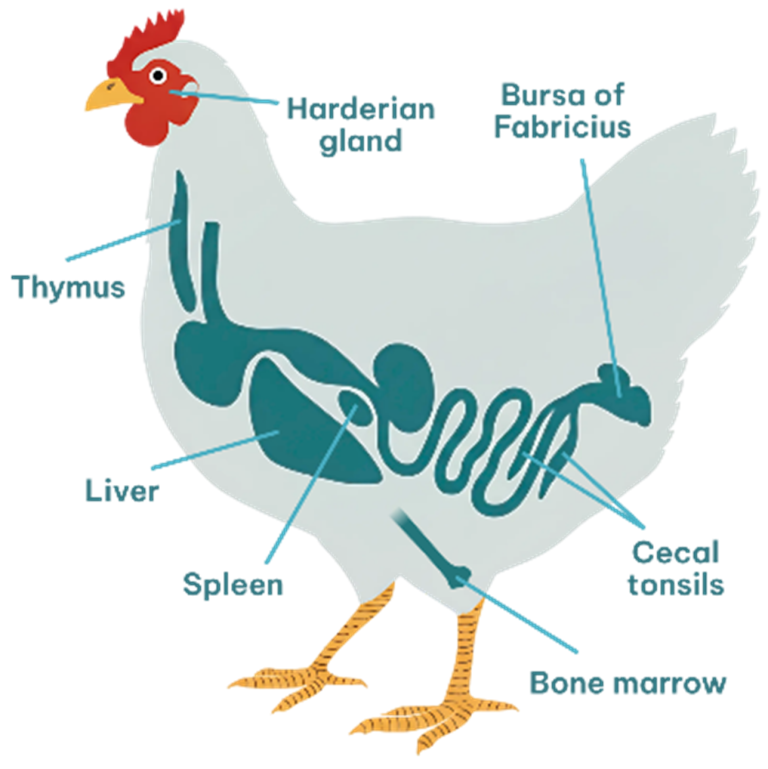
Figure 1. Schematic representation of the avian immune system.
Respiratory diseases and mycotoxins
Respiratory diseases are among the leading causes of morbidity and mortality in the poultry industry. The immunosuppressive effects associated with mycotoxin exposure in birds may contribute to increased prevalence and clinical severity of these diseases at the farm level, primarily due to impaired immune responses.
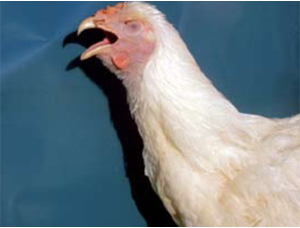
Image 1. Bird showing respiratory distress, with open beak and extended head and neck.
Furthermore, the presence of mycotoxins in feed has been associated with reduced effectiveness of vaccination programmes against major respiratory diseases, including Newcastle disease virus (NDV), infectious bronchitis virus (IBV), and avian influenza. The prevention of these diseases is critical for maintaining the health status of poultry production systems (Kulcsár et al., 2023; Abdelrahman et al., 2022).
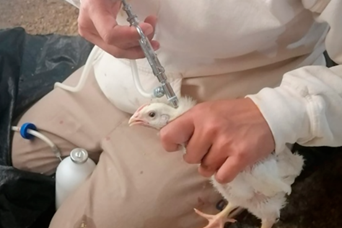
Image 2. Vaccination of broiler chickens against avian influenza.
Table 1 summarises the effects of deoxynivalenol (DON) on antibody titres induced by vaccines against Newcastle disease virus (NDV) and infectious bronchitis virus (IBV). The table provides a comparative overview of how DON contamination in feed may influence vaccine efficacy by altering the immune response of birds, potentially compromising protection against these pathogens.
| Deoxynivalenol (mg/kg diet) | Poultry (species/sex) | Duration of exposure (days) | Antibody titre | Reference |
|---|---|---|---|---|
| Up to 12.21 mg/kg diet | Broilers (males) | 35 | NDV increased in weeks 2 and 4; NDV decreased in week 5; IBV decreased in week 5; IBV was not affected in weeks 2, 4 and 5 | Yunus et al. (2012) |
| 10 mg/kg diet | Broilers (males) | 35 | IBV decreased in week 5 | Ghareeb et al. (2012) |
| 3.5–14 mg/kg diet | Broilers (males) | 35 | NDV decreased | Dänicke et al. (2003) |
| 4.7–8.3 mg/kg diet | Broilers (males) | 14 | IBV was not affected | Swamy et al. (2002) |
| 12.6 mg/kg diet | Broiler breeders | 84 | IBV decreased; NDV was not affected | Yegani et al. (2006) |
| 18 mg/kg diet | White Leghorn chicks | 72 | NDV was not affected | Harvey et al. (1991) |
| 12.3 mg/kg diet | Layers | 112 | NDV decreased | Dänicke et al. (2001) |
Table 1. Effects of DON on antibody titres to common vaccines in birds. NDV, Newcastle disease virus; IBV, Infectious bronchitis virus (Awad et al., 2013).
Conclusion
Mycotoxins represent a significant threat to poultry production by exacerbating the impact of respiratory diseases and complicating their control through established vaccination programmes. Awareness of the relevance of mycotoxins is essential, and appropriate measures should be taken to avoid the substantial negative impacts that mycotoxins may have on animal production and the potential risks they pose to food safety.