Introduction
The poultry industry is known to be significantly affected by the presence of mycotoxins in raw materials and feed, owing to the high sensitivity of birds to their effects (Muñoz-Solano et al., 2024).
Several of the most prevalent mycotoxins are associate ed with specific target systems. For instance, ochratoxins are frequently linked to renal disease; zearalenone is characterised by its effects on the reproductive tract; and aflatoxins are associated with marked hepatotoxicity (Kalita et al., 2024).
The effects of these compounds vary according to multiple factors, including concentration, duration of exposure, health status, and age of the animal. It is also essential to consider the potential for synergistic interactions among mycotoxins, as carcinogenic and immunosuppressive effects may be markedly exacerbated when they occur in combination (Sousa Júnior et al., 2022; Muñoz-Solano et al., 2024).
Aflatoxins
Aflatoxins, together with ochratoxins, are considered among the most significant mycotoxins affecting the poultry industry (Gómez-Verduzco et al., 2024). In particular, aflatoxin B1 (AFB1) is classified as a Group 1 carcinogen by the World Health Organization (WHO) (Ruan et al., 2023). Aflatoxins comprise a group of mycotoxins produced by fungi of the genus Aspergillus. Turkeys and ducks are the avian species most susceptible to these mycotoxins (Ruan et al., 2023).
Aflatoxins adversely affect animal performance and are associated with reduced feed intake, which consequently impairs growth (Ochieng et al., 2021). In laying hens, exposure results in decreased egg production as well as a reduced egg size (Raj et al., 2023).
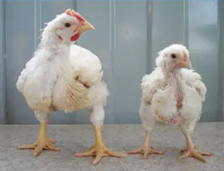
Image 1. Growth retardation
Acute exposure to aflatoxins may result in nausea, vomiting, abdominal pain, seizures, and other manifestations of acute hepatic injury, potentially progressing to hepatocellular carcinoma (Hernández-Martínez et al., 2023). Aflatoxins therefore primarily induce hepatic damage, notably disrupting lipid metabolism.
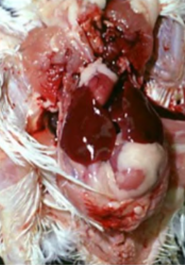
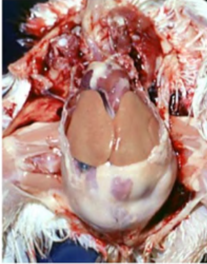
Image 2. Left: healthy animal, right: poisoned animal with liver damage.
In poultry chronically exposed to aflatoxins, gastrointestinal disorders and immunosuppression have been reported, increasing susceptibility to stressors and secondary infections (Saleemi et al., 2020; Sohrabi et al., 2023). In addition, aflatoxins have been associated with reduced vaccination efficacy (Rashidi et al., 2020).
AFB1 has also been associated with alterations in vitamin D metabolism, a critical regulator of calcium and phosphorus homeostasis. This effect is of particular relevance, as it may exacerbate skeletal disorders in poultry production and impair eggshell formation in breeders and laying hens (Raj et al., 2023; Paneru et al., 2024). Teratogenic effects have likewise been documented in birds exposed to these mycotoxins (Oznurlu et al., 2012).
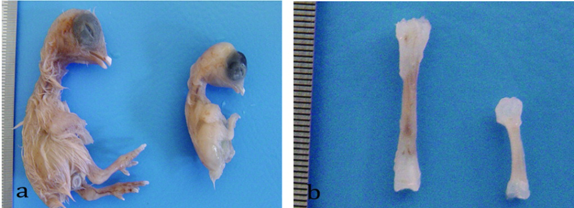
Image 3. Teratogenic effects: growth retardation.
Ochratoxins
Ochratoxins are produced by several fungal species belonging to the genera Aspergillus and Penicillium (Ruan et al., 2023). In chickens, exposure results in reduced growth performance, poor feed efficiency, and increased mortality. As a group, these mycotoxins are responsible for substantial economic losses in poultry production, with ochratoxin A (OTA) recognised as one of the most harmful. OTA induces marked degenerative changes in the renal and hepatic epithelium (Awais et al., 2022).
The primary toxic effect of OTA is nephrotoxicity, which results from its accumulation in renal tubular cells (Stoev et al., 2010).
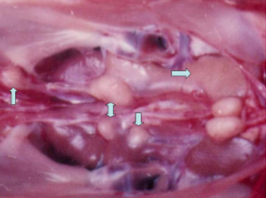
Image 4. Carcinomas in the ureter region of a young male chicken exposed to 0TA for 20 months.
In addition to its nephrotoxic effects, OTA also exhibits significant hepatotoxicity (Ruan et al., 2023). High concentrations of OTA in young chickens increase biliary excretion, and liver lesions have been reported in animals exposed to contaminated feed (Patil et al., 2017; Stoev et al., 2010).
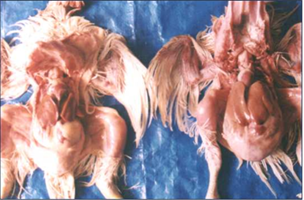
Image 5. Left: healthy animal, right: poisoned animal, pale enlarged liver.
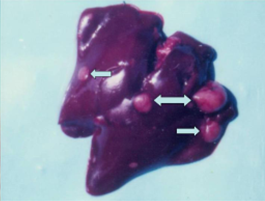
Image 6. Neoplastic lesions in liver.
OTA exposure reduces feed intake and adversely affects egg production, decreasing both egg quantity and quality (Vasiljević et al., 2021). In poultry, ochratoxins are characterised by marked immunosuppressive effects, including alterations in the development of the lymphoid system, resulting in reduced size of organs such as the thymus, spleen, and bursa of Fabricius (Khan et al., 2019; Awais et al., 2022; Gómez-Verduzco et al., 2024).
Ochratoxins have also been associated with teratogenic effects (Ruan et al., 2023; Zahoor-ul-Hassan et al., 2011). Reduced vaccine efficacy has likewise been reported in exposed animals (Abdelrahman et al., 2022).
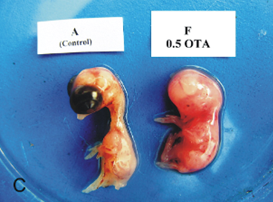
Image 7. Teratogenic effects. Left: healthy animal, right: ophthalmia
T-2 Toxin
T-2 toxin (T-2), produced by fungi of the genus Fusarium, belongs to the type A trichothecenes (Yin et al., 2020). The initial symptoms caused by this mycotoxin include weight loss, skin and feather abnormalities, diarrhea and coordination problems (Vörösházi et al., 2024).
This mycotoxin has also been linked to depigmentation of the leg skin, cyanotic areas, and poor feather quality (Vörösházi et al., 2024). In addition, birds exposed to feed containing high concentrations of trichothecenes have exhibited dermatological lesions, including inflammation and necrosis (Gómez-Verduzco et al., 2024). T-2 further induces necrotic lesions around the beak, within the oral cavity and pharyngeal mucosa, as well as lesions affecting the gizzard (Sandu, 2023; Gjevre et al., 2013).
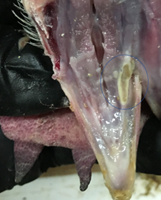
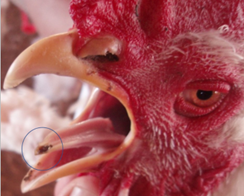
Image 8 and 9. Necrotic lesions in the oral cavity.
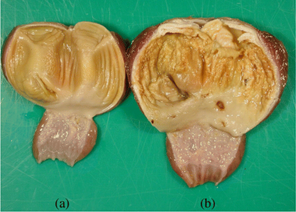
Image 10. Left: gizzard of a healthy animal, right: poisoned animal, thickening of the mucosa and ulceration.
Low doses of T-2 toxin may cause irritation and damage to the intestinal mucosa during ingestion, potentially altering the gut microbiota (Vörösházi et al., 2024). Exposure has also been associated with the production of smaller eggs, as well as structural and pigmentation abnormalities of the eggshell (Raj et al., 2023). These effects include reduced egg quality, decreased laying rate, and impaired hatchability. Furthermore, eggs from birds affected by T-2 toxicosis have been reported to contain lower concentrations of vitamins, proteins and minerals (Vörösházi et al., 2024; Puvača et al., 2024).
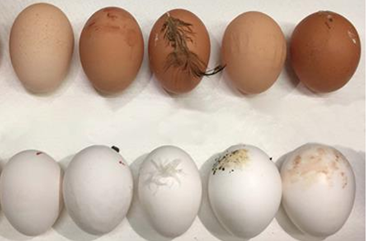
Image 11. Alteration of eggs quality.
Neurological disturbances have also been observed, including tremors and impaired coordination. T-2 toxin is known to alter neurotransmitter metabolism and disrupt the blood-brain barrier (Vörösházi et al., 2024).
Deoxynivalenol (DON)
Deoxynivalenol (DON) is a mycotoxin produced by various fungi of the genus Fusarium and is classified as a type B trichothecene (Ruan et al., 2023). Birds are less sensitive to DON than other production species; however, its effects on the gastrointestinal epithelium make it a compound of concern in poultry production. The small intestine is the intestinal segment most affected by this mycotoxin (Azizi et al., 2021).
The presence of DON has been associated with impaired growth in broiler chickens and is considered a predisposing factor for necrotic enteritis (Ruhnau et al., 2020). Its detrimental effects on the intestinal barrier, sometimes exacerbated by co-exposure to fumonisins, lead to reduced nutrient absorption. This, in turn, increases the availability of proteins in the gastrointestinal tract, thereby promoting the proliferation of Clostridium perfringens (Antonissen et al., 2015).
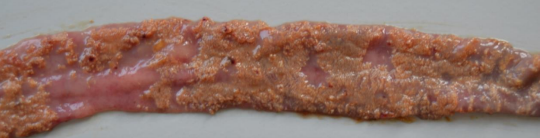
Image 12. Necrotic enteritis caused by Clostridium perfringens.
Chronic exposure to DON induces immunosuppression in birds, increasing susceptibility to secondary infections that may compromise health. It is also associated with reduced feed intake and decreased laying performance (Kulcsár et al., 2023).
In cases of acute exposure, diarrhea, anorexia, nausea, vomiting and intestinal irritation have been reported (Ochieng et al., 2021). DON is recognised for its neurotoxic, dermatotoxic, and emetic effects and has also been associated with reduced vaccine efficacy (Kulcsár et al., 2023).
Fumonisins
Fumonisins induce renal alterations, diarrhea and reduced weight gain (Ochieng et al., 2021). In broiler chickens, exposure has been associated with impaired performance and hepatitis (Kulcsár et al., 2023).
This is a sphingosine analogue compound, which leads to imbalances in sphingolipid synthesis (Kulcsár et al., 2023). Fumonisins accumulate in the liver and promote oxidative stress. They are also associated with disturbances in vitamin D, calcium and phosphorus absorption, contributing to rickets (Sokolović et al., 2022).
Their gastrointestinal and immunosuppressive effects, together with those of DON, are considered predisposing factors for bacterial chondronecrosis with osteomyelitis (BCO). This syndrome leads to lesions such as femoral head necrosis, osteomyelitis, and tibial dyschondroplasia, which manifest clinically as lameness in birds (Shanmugasundaram et al., 2022; Alharbi et al., 2024).
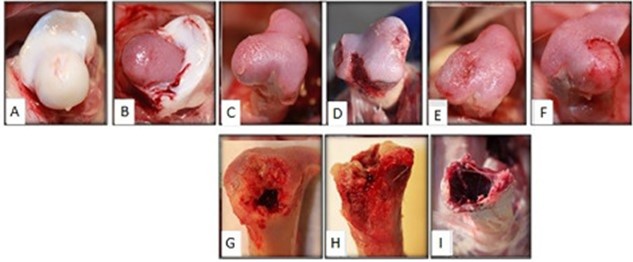
Image 13.Progression of BCO femoral injuries.
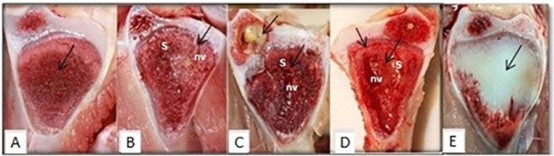
Image 14.Progression of BCO tibial injuries.
Zearalenone
Zearalenone (ZEN) is a mycotoxin produced by fungi of the genus Fusarium that primarily affects the reproductive system due to its oestrogenic activity (El-Sayed et al., 2022). It produces hormonal imbalances, causes miscarriages and fetal deaths, and has teratogenic effects (Ochieng et al., 2021; Wu et al., 2021).
In laying hens exposed to this mycotoxin, a reduction in the egg-laying rate has been observed (Sifan et al., 2022). Studies show that adult female turkeys fed 100 mg/kg of zearalenone experienced up to a 20% reduction in egg production (Wu et al., 2021). These mycotoxins can cause lesions in the reproductive tract, such as prolapses (Dinev, 2021).
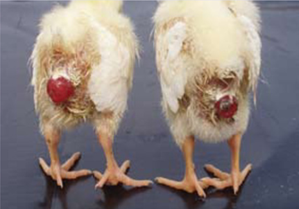
Image 15. Prolapses in poultry.
Adverse effects have also been reported in adult males, including reductions in sperm count and increased sexual precocity. Exposure to dietary concentrations of 800 mg/kg has been associated with reduced comb size and decreased testicular development in some males (Coloma et al., 2018; Wu et al., 2021).
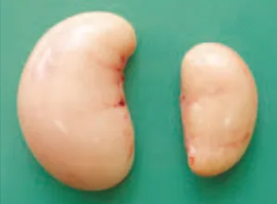
Image 16. Left: healthy bird testicle, right: testicular atrophy.
In broilers, ZEN exposure has been associated with cases of achondroplasia and impaired performance (Sifan et al., 2022). ZEN is also known to exert hepatotoxic, nephrotoxic, and immunosuppressive effects (Wu et al., 2021).
Conclusion
Mycotoxins are capable of generating significant health problems in poultry, as well as significant economic losses for the global poultry industry. That is why we must be aware of the importance of these substances and act accordingly through prevention and control strategies.