Introduction
Mycotoxins are secondary metabolites produced by fungi that represent a significant global threat for animal feed. Their presence in feed, even at low concentrations, can alter production in ruminants, causing economic losses due to the deterioration of their general health, their immune function, and their productivity.
This threat increases due to the diversity of compounds that can appear simultaneously in the feed, such as aflatoxins, ochratoxins, fumonisins, zearalenone, T-2 toxin, and deoxynivalenol, among others. The presence of these mycotoxins, individually or in combination, can induce specific adverse effects. Especially in sheep, mycotoxicosis has been associated with a decrease in feed intake, gastrointestinal dysfunction, oxidative stress, various reproductive disorders, and complications in the health of the offspring (Jard et al., 2011).
Aflatoxin B1 (AFB1) is one of the most toxic mycotoxins, being considered a Class I carcinogen by the WHO (World Health Organization), due to its hepatotoxic, teratogenic, and mutagenic effects. In this context, although sheep possess significant tolerance to AFB1, prolonged or excessive consumption of contaminated diets can provoke intoxication. In the organism, AFB1 has the liver as its target organ, which is crucial for detoxification. Mycotoxins induce oxidative damage, apoptosis, and inflammation, which results into serious liver lesions, including congestion, enlargement, and necrosis, causing chronic and acute hepatocellular damage. These biological effects have a direct impact on zootechnical performance: a reduction in intake and growth rate is observed, a negative impact on milk production and quality, and fertility problems, resulting in a lower lambing rate (Sui et al., 2022). Additionally, exposure to mycotoxins during gestation and lactation increases the incidence of mastitis (generally bacterial), generating a double negative consequence: lower milk production and adverse effects on the offspring (Gancedo et al., 2000).
Fumonisin B1 (FB1) is a mycotoxin prevalent in corn-based feeds that, despite the relative resistance of ruminants, significantly impacts the health of sheep. Its main mechanism of action leads to a severe imbalance that manifests in hepatic and renal dysfunctions. At a biochemical level, this is evidenced by the elevation of indicators of cellular damage such as AST and alkaline phosphatase. Furthermore, liver compromise is reflected in an alteration of the lipid profile, with a reported increase in serum levels of cholesterol and triglycerides. Renal damage (nephrosis) is confirmed by the increase in BUN and creatinine (Gallo, 2015).
Rumen detoxification offers a certain degree of protection against toxicity, however, chronic and prolonged exposure to FB1-contaminated feed results in serious productive consequences. This translates into a lower growth and development in lambs. In severe cases, the accumulation and metabolic stress caused by the toxin can even result in death (Sáez et al., 2002). Therefore, the main challenge in managing this mycotoxicosis is the subclinical effect that compromises the profitability of production.
To combat these negative effects, the main strategy consists of the addition of efficient anti-mycotoxin solutions. These solutions integrate diverse functional ingredients such as clays, yeast derivatives, and phytogenic compounds, addressing the problem comprehensively. They seek to improve nutrient absorption, reinforce the immune system, optimize intestinal health, and mitigate oxidative stress. In fact, studies document that their use is associated with significant improvements in dairy livestock, including the increase in milk production, the increase in the antioxidant capacity of the animals, the reduction of protein oxidation in milk, the decrease in somatic cell count, and positive effects on the incidence of mastitis (Jouany et al., 2007; Kabak et al., 2006; Sayyari et al., 2018).
In this context, BIŌNTE® QUIMITŌX® PLUS offers a complete solution, basing its action on three main modes: adsorption, bioprotection, and post-biotic effect. This compound has demonstrated high efficacy against multiple mycotoxins, consistently providing hepatoprotective and antioxidant properties during lactation. With the objective of validating its efficacy against the subclinical effects of mycotoxins in a real productive environment in sheep production, a field study was carried out in Greece, in collaboration with the University of Thessaly, under commercial farming conditions.
Experimental design
The objective of the present in vivo study was to demonstrate the efficacy of BIŌNTE® QUIMITŌX® PLUS in mitigating the negative effects derived from exposure to critical levels of aflatoxins and fumonisins in dairy sheep, during the lambing and lactation phases.
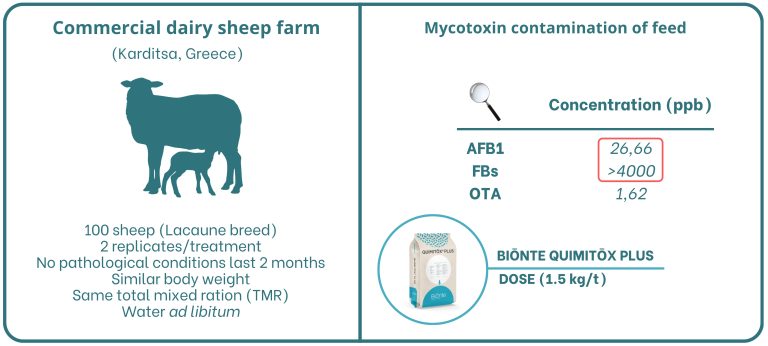
Figure 2. Experimental design
The experimental design consisted of two experimental groups: a group exposed to a contaminated diet that presented critical levels of aflatoxins and high levels of fumonisins, and a second group exposed to this contaminated diet in addition to a dose of 1,5 kg/ton of BIŌNTE® QUIMITŌX® PLUS.
During the study, health parameters were controlled weekly, including temperature, diarrhea, lameness, incidence of mastitis, and udder characteristics. At the time of lambing, a colostrum sample was taken to measure its immunoglobulin G (IgG) content and evaluate its quality. Finally, at 60 days of lactation, blood samples were taken to analyze markers of oxidative stress (TBARS, CARBs, and TAC), and biomarkers of liver function (ALT, AST, and ALP). Simultaneously, milk was analyzed at 60 days to also measure TBARS and CARBs, in addition to key quality parameters such as the percentage of fat, protein, lactose, and total solids.
Results
The inclusion of the anti-mycotoxin product BIŌNTE® QUIMITŌX® PLUS resulted in a reduction of the incidence of fever in sheep after lambing. This descent in temperature in the group treated with BIŌNTE® QUIMITŌX® PLUS (as observed in Figure 2) was monitored using a temperature scoring scale: 0 for normal temperature (until 40ºC), 1 for mild fever (40 – 41ºC) and 2 for high fever (41,5 – 42º C).
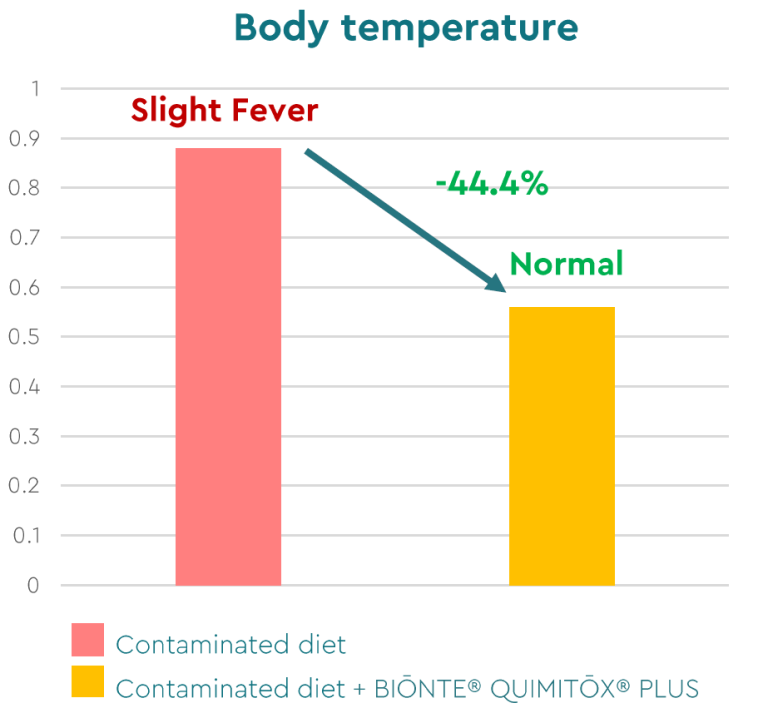
Figure 2. Body temperature in sheep fed with and without BIŌNTE® QUIMITŌX® PLUS.
The inclusion of BIŌNTE® QUIMITŌX® PLUS in the diet resulted in a 34.2% reduction in the incidence of mastitis, optimizing udder health after lambing (Figure 3). Again, the incidence of mastitis was measured using a scoring scale, where 0 indicated the absence of the disease, and 1 its presence.
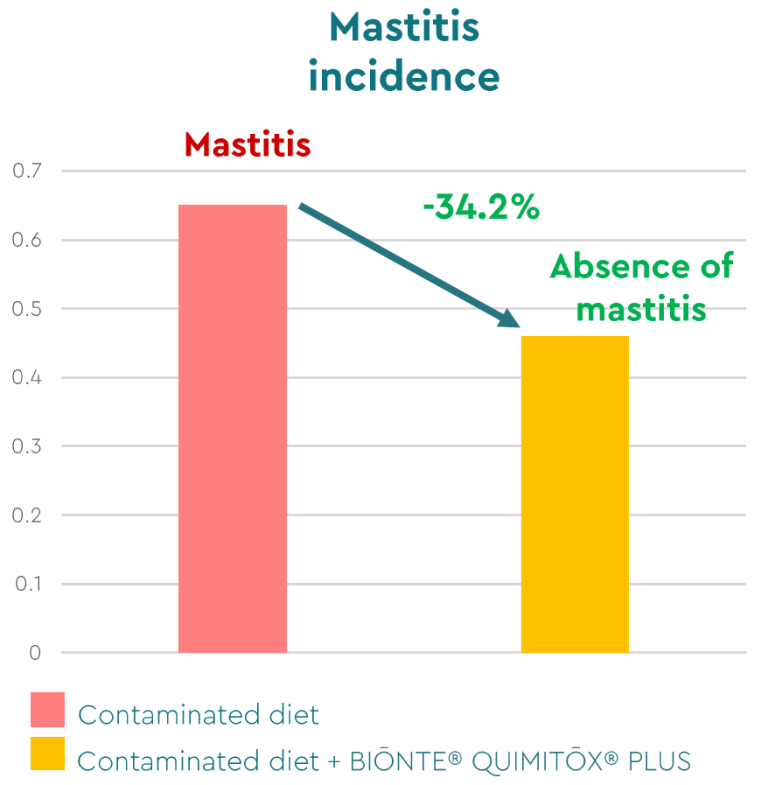
Figure 3. Incidence of mastitis in sheep fed with and without BIŌNTE® QUIMITŌX® PLUS.
Regarding udder characteristics, the animals that received the diet supplemented with BIŌNTE® QUIMITŌX® PLUS demonstrated a significant improvement (Figure 4). A 90.1% reduction in the score for udder formation/regression was observed, a 67.7% decrease in redness, and consistency was improved by 68%, resulting in laxer (or elastic) udders. These results indicate a healthier and more functional udder, with less susceptibility to inflammation and mastitis, which optimizes animal welfare. Furthermore, a 41.5% reduction in pain (sensitivity) was recorded. The measurement of these parameters was by means of a scale of 0 to 1, where 0 indicated the absence of the sign and 1 its presence.

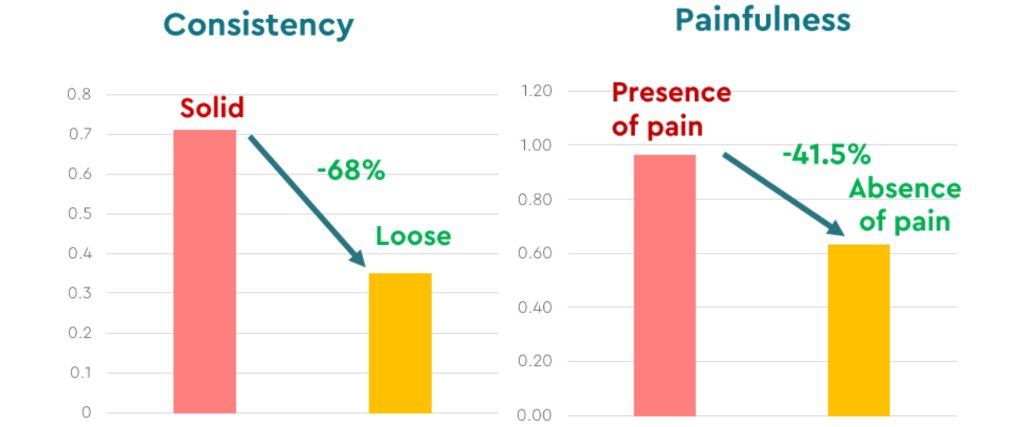

Figure 4. Udder characteristics of sheep fed with and without BIŌNTE® QUIMITŌX® PLUS.
The evaluation of the effect of BIŌNTE® QUIMITŌX® PLUS on colostrum quality, a 14.1% increase in IgG levels was observed (Figure 5). IgG are the key antibodies responsible for passive immunity, so a higher level in the colostrum ensures a more effective immunological transfer from mother to offspring, protecting the lamb from infections and diseases in its first days of life, which positively impacts neonatal viability and survival.

Figure 5. Colostrum quality parameter in sheep fed with and without BIŌNTE® QUIMITŌX® PLUS.
Various parameters related to milk quality were also controlled. An improvement in these was observed with a 10.4% increase in fat content, 3% in total solids, 1.5% in protein, and 0.2% in lactose (Figure 6). This improvement raises the quality and nutritional value of the milk, which is crucial both for the profitability of dairy production and for guaranteeing optimal nutrition for the lambs.
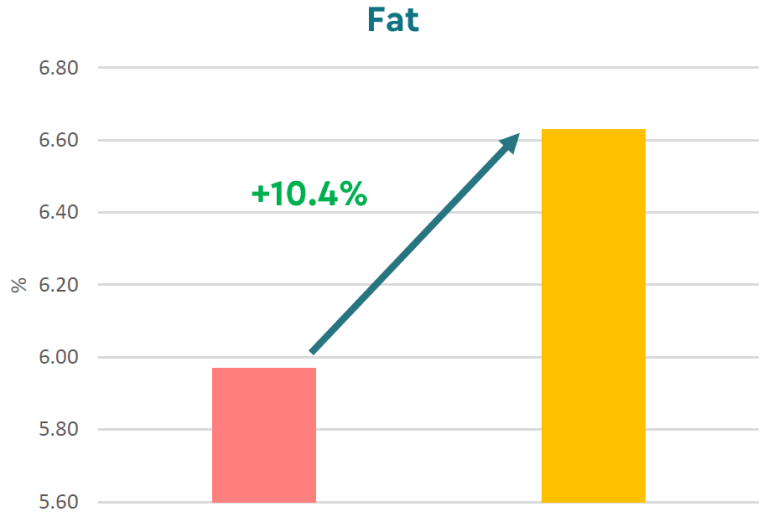

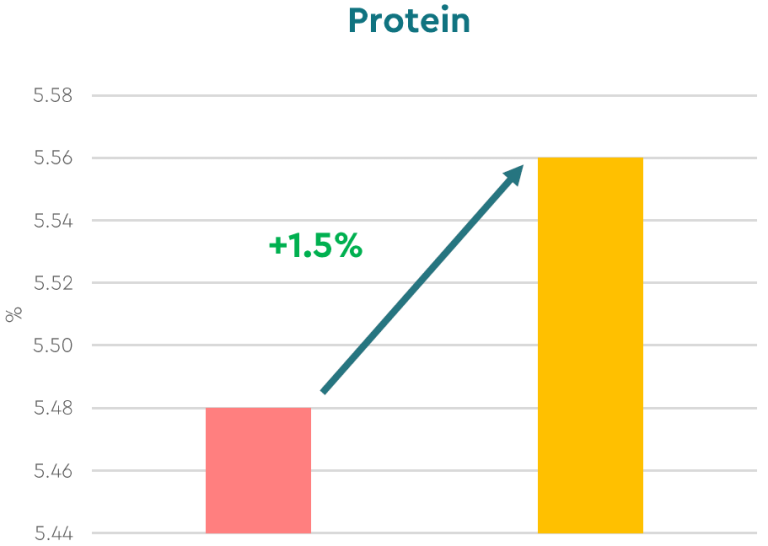
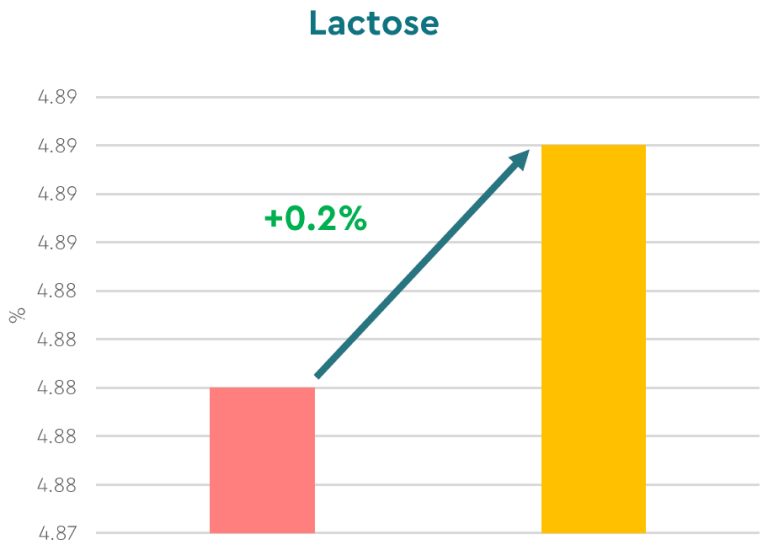
Figure 6. Milk quality parameters in sheep fed with and without BIŌNTE® QUIMITŌX® PLUS.
Additionally, the positive effect of BIŌNTE® QUIMITŌX® PLUS was evaluated by controlling oxidative stress biomarkers in milk. A marked mitigation of oxidative stress was observed, with a 72.1% decrease in TBARS levels and a 66.6% reduction in CARBs levels (Figure 7).
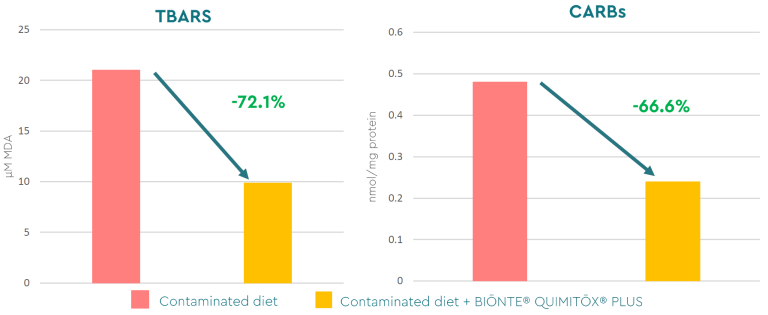
Figure 7. Oxidative stress biomarkers in milk in sheep fed with and without BIŌNTE® QUIMITŌX® PLUS.
The same evaluation for oxidative stress biomarkers was performed in blood plasma, demonstrating the protective effect of the product, with a 55.5% decrease in TBARS levels and a 38.7% reduction in CARBs levels. Additionally, when evaluating TAC levels, a 9.6% increase was recorded, which indicates a strengthening of natural antioxidant defenses in dairy sheep (Figure 8).
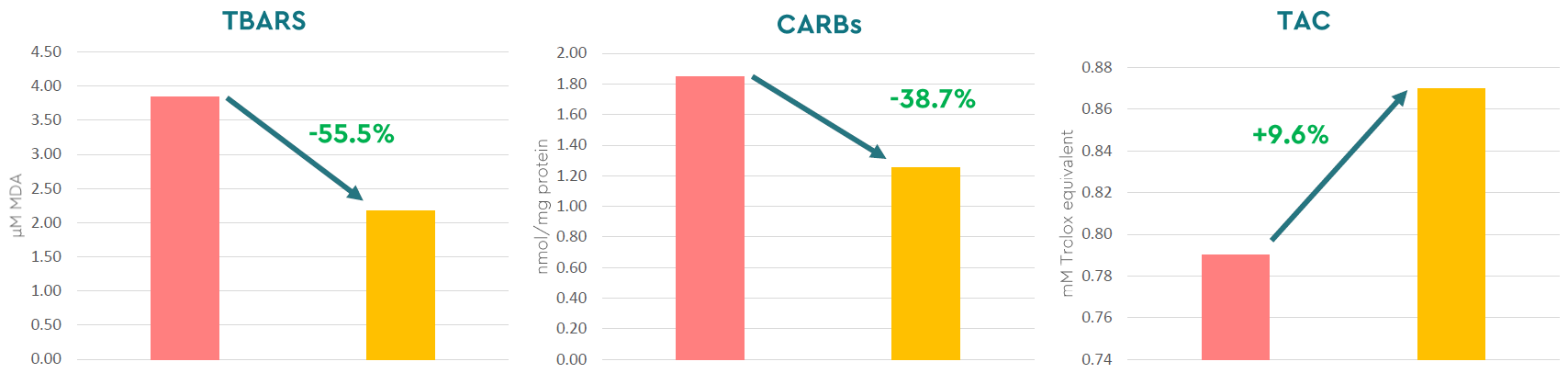

Figure 8. Oxidative stress biomarkers in blood in sheep fed with and without BIŌNTE® QUIMITŌX® PLUS.
Finally, when evaluating the effect of BIŌNTE® QUIMITŌX® PLUS on the biomarkers of liver function in plasma, results were obtained that indicate its hepatoprotective effects, key during the lactation period. A 73% decrease was recorded in ALT levels, 32% in AST, and 33% in ALP (Figure 9).
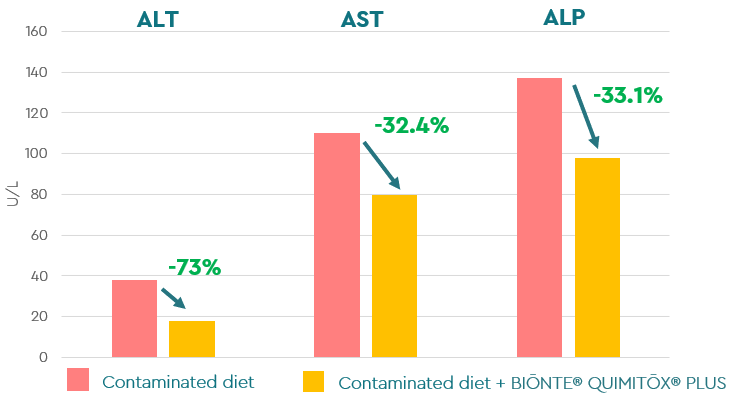
Figure 9. Biomarkers of liver function in sheep fed with and without BIŌNTE® QUIMITŌX® PLUS.
These results, published in full version in Toxins (https://doi.org/10.3390/toxins17080425), highlight the potential of BIŌNTE® QUIMITŌX® PLUS in mitigating the effects caused by mycotoxins in dairy sheep during the lambing and lactation periods, offering a promising approach to improve general health, milk and colostrum quality and reduce oxidative stress and organ damage related to these toxins.
Conclusion
BIŌNTE® QUIMITŌX® PLUS improves milk quality and the IgG content in colostrum, which supports neonatal immunity and the early survival of lambs. Furthermore, it strengthens antioxidant defenses, mitigates oxidative damage, and improves hepatic efficiency and integrity for optimal oxidative stress management, thus guaranteeing the welfare of both the mother and her newborn.