Introduction
Cereal and feed contamination by mycotoxins is one of the most persistent problems in the livestock industry (Lin et al., 2022; Qiongxia et al., 2025). These secondary metabolites are produced by fungi such as Fusarium, Aspergillus, and Penicillium, and possess high chemical stability, allowing them to withstand the thermal processes of feed manufacturing (Qiongxia et al., 2025). Although the effects of mycotoxins on female fertility and reproductive performance have been widely investigated, there is comparatively limited information on mycotoxicosis in breeding males. This knowledge gap represents a critical risk to the viability of livestock operations (Gbore et al., 2008; Yang et al., 2020).
To understand the impact of mycotoxicosis, it is fundamental to consider the functional organization of the testis (Figure 1). Spermatogenesis, the process by which spermatozoa are produced, takes place within the seminiferous tubules, which are lined by a germinal epithelium supported by Sertoli cells, which are responsible for nourishing and protecting developing gametes. Between these tubules lies the interstitial tissue, where Leydig cells participate in the synthesis of testosterone, the hormone that regulates libido and reproductive vigour. Furthermore, the integrity of sperm membranes and the stability of mitochondrial membrane potential are essential to guarantee motility and the acrosome reaction, indispensable processes for the sperm to successfully fertilize the ovum.
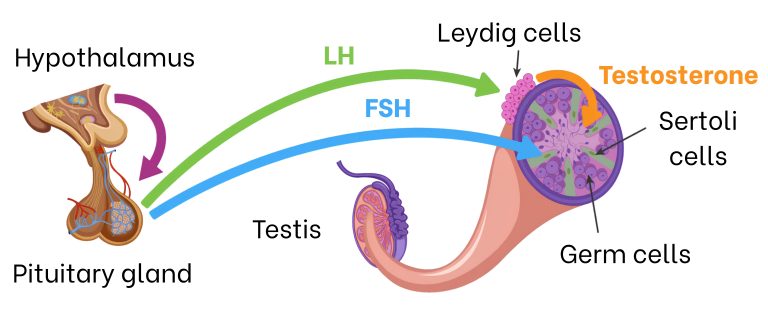
Figure 1. Functional organization of the testis.
The process of spermatogenesis lasts between 12 and 61 days, depending on the animal species. For this reason, the harmful effects of mycotoxins often go unnoticed initially, only becoming evident when the new generation of spermatozoa reaches the ejaculate.
Zearalenone
Zearalenone (ZEN) is a mycotoxin that exhibits strong estrogenic activity. It can bind to cellular estrogen receptors, modifying their structure and altering the activity of regulatory genes in the reproductive system, thereby compromising the animal’s fertility and hormonal balance (Qiongxia et al., 2025).
Chronic exposure to ZEN in males inhibits the secretion of the luteinizing hormone and, consequently, testosterone (Qiongxia et al., 2025; Yang et al., 2020). In swine, these imbalances manifest as progressive testicular atrophy, reduced libido, and a delay in reaching sexual maturity (Althouse et al., 2024; Qiongxia et al., 2025). All of this leads to an obstruction of spermatogenesis, which reduces sperm concentration and daily sperm production.
In vitro studies demonstrate that ZEN and its metabolites, α-zearalenol (α-ZOL) and β-zearalenol (β-ZOL), are toxic to spermatozoa in a dose-dependent manner. While ZEN affects sperm viability even at low concentrations, β-ZOL specifically impairs sperm motility (Benzoni et al., 2008; Tassis et al., 2020; Tsakmakidis et al., 2006). Regarding α-ZOL, the primary metabolite in swine, it causes sperm chromatin destabilization, which compromises early embryonic development (Benzoni et al., 2008; Sambuu et al., 2012). Furthermore, fertilization capacity is compromised because ZEN interferes with the spontaneous acrosome reaction, a process necessary for the spermatozoon to penetrate the oocyte (Sambuu et al., 2011). Additionally, ZEN significantly reduces sperm binding to the oocyte zona pellucida, thereby diminishing the fertilizing capacity of the ejaculate (Tsakmakidis et al., 2007).
The damage caused by ZEN at the cellular level begins with the generation of reactive oxygen species (ROS). This oxidative stress directly attacks sperm membranes through lipid peroxidation (Qiongxia et al., 2025; Tsakmakidis et al., 2007). It has been determined that concentrations of 57.5 µmol/L are sufficient to destabilize the mitochondrial membrane potential, which activates apoptotic pathways and inhibits autophagy. This process ultimately leads to degeneration of both Sertoli and germ cells, weakening the antioxidant defenses of the testicular tissue (Lin et al., 2022; Qiongxia et al., 2025; Yang et al., 2020).
Aflatoxins
Aflatoxins are toxic and carcinogenic metabolites produced by fungi of the genus Aspergillus (Lin et al., 2022; Saleemi et al., 2024). Their effects in breeding males range from affecting the integrity of testicular tissues to disrupting hormonal balance.
In breeding roosters, aflatoxin consumption causes severe testicular atrophy, manifested by a pale, yellowish, or grayish discoloration of the gonads. This change in appearance is due to poor tissue vascularization and the accumulation of lipids in the interstitial cells (Ortatatli et al., 2002). Consequently, a partial or total suppression of sperm production may be observed (Ortatatli et al., 2002; Saleemi et al., 2024).
Regarding testicular histology, studies in birds have reported that in the most severe cases, a degradation of the seminiferous tubules is observed. These tubules lose multiple cell layers and are reduced to only Sertoli cells and a single layer of germinal epithelium (Ortatatli et al., 2002). This structural breakdown results in an increase in morphological abnormalities in spermatozoa (spiral, ring, crescent, or comma shapes) and a reduction in motility, which limits reproductive potential (Ortatatli et al., 2002; Saleemi et al., 2024).
Moreover, prolonged exposure to aflatoxins in breeding roosters causes a marked reduction in plasma testosterone levels, which leads to a loss of libido and a deterioration of spermatogenesis, drastically reducing the fertility rate (Ortatatli et al., 2002; Saleemi et al., 2024).
Regarding rams, acute exposure to aflatoxin B1 (AFB1) leaves residues in the testicular tissue, causing intracellular vacuolization and a reduction in the diameter of the seminiferous tubules and the thickness of the spermatogenic epithelium. This leads to a marked decline in the conception rate. Furthermore, the toxin induces the generation of ROS, which activates the mitochondrial apoptosis pathway, increasing the number of dead germinal cells. All this causes poor semen quality and a reduction in libido (Lin et al., 2022).
Finally, pigs exposed to AFB1 over long periods have been reported to exhibit morphological changes in the testicular tissue and fluctuations in the concentrations of sex steroids and testosterone in the seminal plasma (Biró et al., 2003; Tassis et al., 2020).
Ochratoxin A
Ochratoxin A (OTA) is a mycotoxin produced by fungi of the genera Aspergillus and Penicillium which causes nephrotoxicity, while its effects on the male reproductive system are still under investigation (Biró et al., 2003; Solti et al., 1999).
In pigs, it has been proven that OTA is transferred to the seminal plasma shortly after ingestion, reaching concentrations that correlate with serum levels (Solti et al., 1999). Chronic exposure in boars at doses of 0.08 mg/kg causes a tendency toward a decrease in ejaculate volume, as well as a significant reduction in sperm viability, initial progressive motility, and the longevity of stored semen (Biró et al., 2003; Solti et al., 1999). A fundamental finding in this species is the existence of a delay period or ” latent period” of approximately 40 days before the negative effects are detectable in the semen, which coincides with the duration of the porcine spermatogenesis cycle of 39 days (Biró et al., 2003; Solti et al., 1999). Although the macroscopic structure of the testicles usually remains unaltered, histopathological studies have revealed cellular damage, such as the formation of giant cells in the lumen of the seminiferous tubules (Biró et al., 2003).
Fumonisins
The impact of fumonisins, particularly fumonisin B1 (FB1), in breeding males is manifested mainly through the alteration of sperm production and the induction of pathological damage in the genital organs.
In swine, it has been determined that the intake of FB1 at levels higher than 5 mg/kg causes a significant decrease in sperm reserves in both the testes and the epididymis (Gbore et al., 2008). In fact, in boars exposed to doses of 10 and 15 mg/kg, total sperm reserves are reduced to represent approximately 70% of those observed in unexposed animals (Gbore et al., 2008).
Likewise, daily sperm production (DSP) is decreased by this toxin, indicating a direct interference in the process of spermatogenesis (Gbore et al., 2008; Kleve-Feld et al., 2024). It is fundamental to highlight that these reductions in sperm production occur without altering final body weight or testicular weight, suggesting that the toxin acts at a functional or cellular level (Gbore et al., 2008). This absence of external clinical signs allows the toxicosis to go unnoticed despite the absence of overt clinical signs. Finally, chronic exposure to fumonisins is associated with a reduction in vigor and the general reproductive performance of the boar (Tassis et al., 2020).
Regarding poultry, in studies where FB1 was evaluated in combination with other toxins (such as moniliformin), it was observed that the testes of young birds appeared small and elongated (Chiminelli et al., 2022).
Deoxynivalenol
Deoxynivalenol (DON), also known as vomitoxin, is one of the most frequent mycotoxins in cereals and represents a critical risk to porcine reproductive health. Its presence in the organism triggers cytotoxicity processes that directly compromise the functionality and quality of sperm cells.
In studies with boar semen, it has been observed that DON at concentrations ≥50.6 µM increases the percentage of immobile spermatozoa and reduces progressive motility. Thereby reducing sperm viability, an effect that becomes more pronounced after 4 hours of exposure (Tassis et al., 2020).
T-2 toxin
T-2 toxin is a type A trichothecene that severely affects cellular viability in various animal species. Its capacity to inhibit protein synthesis generates multisystemic damage that directly impacts reproductive parameters and embryonic development.
In the case of pigs, the T-2 toxin is responsible for the destruction of the germinal epithelium in the seminiferous tubules (Biró et al., 2003). Due to its high cytotoxicity, its presence is associated with failures in spermatogenesis and the loss of the animal’s reproductive vigor (Tassis et al., 2020).
Emerging mycotoxins
Beyond the classic toxins, certain emerging mycotoxins are demonstrating their capacity to alter male reproductive function.
In swine, beauvericin (BEA) and enniatins (ENNs) affect sperm functionality at a molecular level. In vitro evaluations with boar spermatozoa demonstrate that BEA alters cellular ionic homeostasis and inhibits calcium influx, which compromises basic mitochondrial functions and, therefore, sperm motility (Chiminelli et al., 2022). For their part, some enniatins such as ENNA, ENNA1, ENNB, and ENNB1 inhibit sperm motility through the depolarization of the mitochondria and the hyperpolarization of the plasma membrane (Chiminelli et al., 2022).
Additionally, in porcine neonatal Leydig cell models, ENNB drastically reduces the production of essential hormones such as testosterone (Chiminelli et al., 2022).
On the other hand, moniliformin (MON) also affects the development of the reproductive system in birds. It has been observed that chickens exposed to contaminated diets present abnormally small and elongated testes (Chiminelli et al., 2022).
Conclusion
The presence of mycotoxins poses a significant risk to male reproductive health in livestock production. These compounds alter hormonal balance, cause oxidative stress, damage testicular tissue, and reduce the quality and viability of semen, compromising the fertilizing capacity of the animals. To implement effective strategies to ensure the reproductive performance of males in the livestock industry, it is necessary to implement rigorous feed quality control programs and use feed additives capable of mitigating mycotoxin toxicity.