Mycotoxins are toxic compounds naturally produced by various types of fungi that enter the food chain as a result of crop and raw material contamination (Stankovic et al., 2012). To date, it has been widely reported that poultry are particularly sensitive and susceptible to the effects of these contaminants (Chowdhury et al., 2005).
Within the poultry sector, laying hens represent a key component, with egg consumption being one of the main pillars of the modern food chain. Mycotoxins significantly affect both the quality and quantity of production by interacting with the metabolism of key compounds, such as calcium, and compromising nutritional status through the impairment of the gastrointestinal tract (Yuan et al., 2022; Cheng et al., 2017; Tomaszewska et al., 2021). Furthermore, they alter hepatic function and depress the immune response of the animals, compromising the efficacy of vaccination programs and increasing susceptibility to secondary infections (Kovesi et al., 2024; Lee et al., 2012; Wang et al., 2024).
In this context, building upon the efficacy previously validated in a prior experimental trial with BIŌNTE® QUIMITŌX® PLUS in hens challenged by mycotoxins, the present field study was designed.
Experimental design
This field study evaluated the efficacy of BIŌNTE® QUIMITŌX® PLUS over a period of 30 weeks in 5-week-old laying hens fed diets naturally contaminated with mycotoxins. The animals were divided into a control group, which received no treatment, and another group supplemented with BIŌNTE® QUIMITŌX® PLUS at a dose of 1.5 kg/ton.
Throughout the experimental period, the different diets specific to each production stage were analyzed: rearing, pre-lay, and production (Figures 2, 5, and 8, respectively). In parallel, various performance parameters were monitored throughout the study (Figure 1).
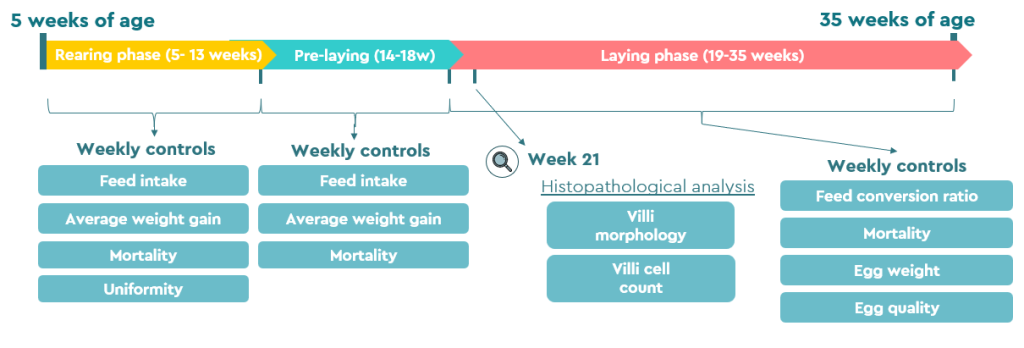
Figure 1: Schematic of the experimental period, showing the production stages and the parameters monitored in each phase.
Efficacy results
The study began with 5-week-old animals, corresponding to the rearing stage. The analysis of the corresponding feed was carried out, which showed a low-to-medium risk of contamination, with the following mycotoxin levels reported:
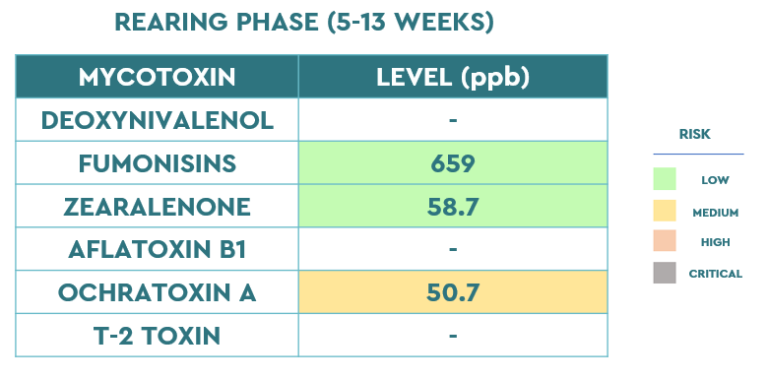
Figure 2: Contamination levels detected in the diet during the rearing phase (from 5 to 13 weeks of age).
Throughout this phase, proper animal growth is essential, as it determines their development and subsequent productive performance. For this reason, feed intake and weight gain were monitored during the rearing period. For both parameters, BIŌNTE® QUIMITŌX® PLUS demonstrated a positive effect in the supplemented animals, resulting in both higher feed intake and greater average weight gain in the treated group (Figure 3).
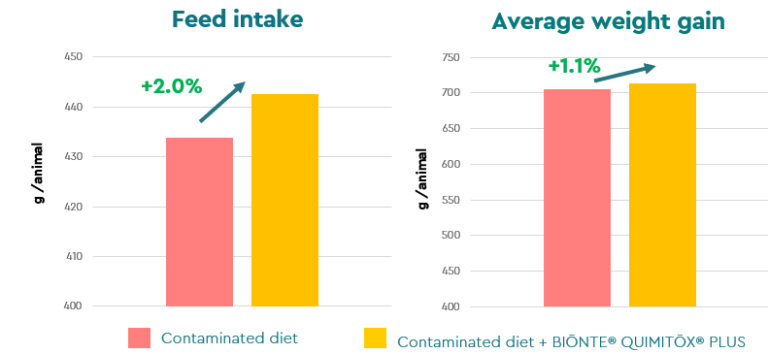
Figure 3: Feed intake and weight gain in animals exposed to the contaminated diet versus those exposed to the contaminated diet + BIŌNTE® QUIMITŌX® PLUS, during the rearing phase.
Along the same lines, mortality and uniformity were monitored during this stage. Since animals exhibit higher susceptibility to any stressor or infectious agent between weeks 5 and 13, maintaining low early mortality is essential. Furthermore, flock uniformity is a crucial parameter, as proper management and bird distribution depend on it. In this way, supplementation with BIŌNTE® QUIMITŌX® PLUS resulted in lower mortality as well as higher uniformity within the treated group, validating its efficacy in mitigating mycotoxin toxicity and demonstrating its beneficial systemic effects (Figure 4).
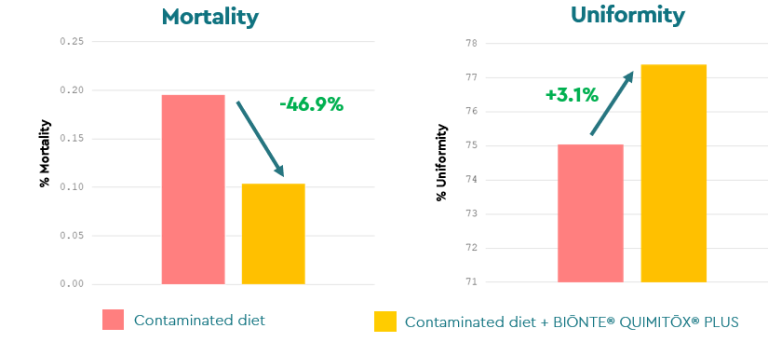
Figure 4: Mortality and uniformity in animals exposed to the contaminated diet versus those exposed to the contaminated diet + BIŌNTE® QUIMITŌX® PLUS, during the rearing phase.
Following the rearing phase, the pre-lay phase took place from week 14 to 18. An analysis of the corresponding feed was performed, revealing a medium-to-high risk of contamination, with the following mycotoxin levels reported:
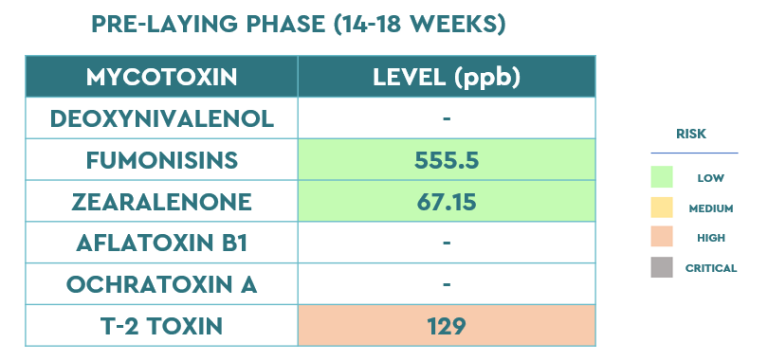
Figure 5: Contamination levels detected in the diet during the pre-lay phase (from 14 to 18 weeks of age).
During this pre-laying phase, maintaining adequate feed intake and reaching optimal body weight is crucial, as the productive demand on the animals during the laying stage is high. BIŌNTE® QUIMITŌX® PLUS achieved higher feed intake and weight gain in the supplemented group; despite the higher mycotoxin challenge reported, the product maintained the positive trend from the rearing stage, demonstrating its efficacy under risk conditions (Figure 6).
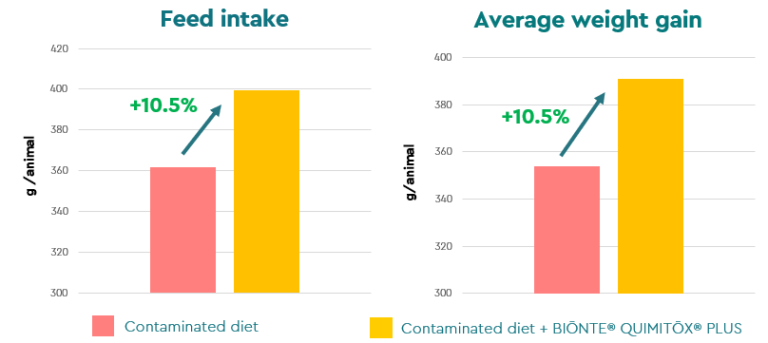
Figure 6: Feed intake and weight gain in animals exposed to the contaminated diet versus those exposed to the contaminated diet + BIŌNTE® QUIMITŌX® PLUS, during the pre-lay phase.
BIŌNTE® QUIMITŌX® PLUS also served as a protective and immunostimulatory solution during the pre-lay phase, mitigating the mycotoxin challenge. This effect is reflected in the difference in mortality recorded between both groups, which was considerably higher in the non-supplemented group (Figure 7).
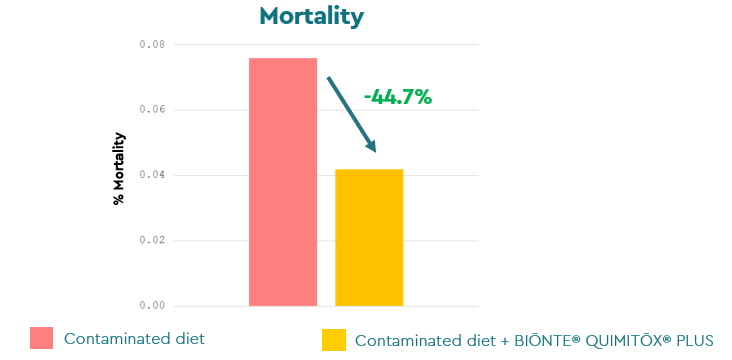
Figure 7: Mortality in animals exposed to the contaminated diet versus those exposed to the contaminated diet + BIŌNTE® QUIMITŌX® PLUS, during the pre-lay phase.
As the final stage, the laying period began at 19 weeks of age. This period was monitored up to week 35, during which the use of three different diets was recorded. In the diet introduced at the beginning of the laying period, an isolated critical risk level was observed, which later stabilized with the subsequent two diets (week 27 and week 32), showing medium-to-low levels (Figure 8).
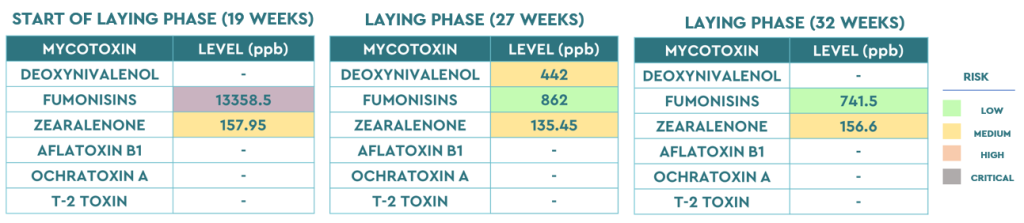
Figure 8: Contamination levels detected in the diets during the laying phase (week 19, week 27, and week 32).
In the laying phase, animal performance was recorded alongside mortality, egg/production quality, and histopathological results. First, the lower feed conversion ratio of the group supplemented with BIŌNTE® QUIMITŌX® PLUS supported its positive effect on animal performance. This result was accompanied by a lower mortality rate in the treated group (Figure 9).
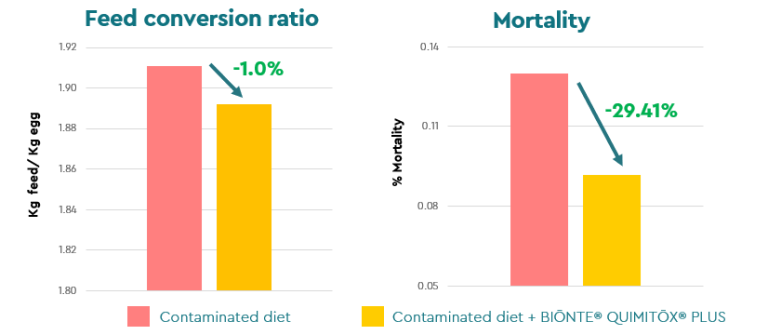
Figure 9: Feed conversion ratio and mortality in animals exposed to the contaminated diet versus those exposed to the contaminated diet + BIŌNTE® QUIMITŌX® PLUS, during the laying phase.
Regarding production quality, both the average egg weight and overall egg quality were recorded. The egg classification is presented in Figure 11, assigning categories from lowest to highest quality (from B (low quality) to AAAA (excellent quality)). Based on these results, it is reaffirmed that BIŌNTE® QUIMITŌX® PLUS contributed to higher product quality, resulting in a higher average egg weight and, above all, increasing the proportion of high-quality eggs (AA, AAA, AAAA) relative to low-quality ones (B and A) (Figures 10 and 11).
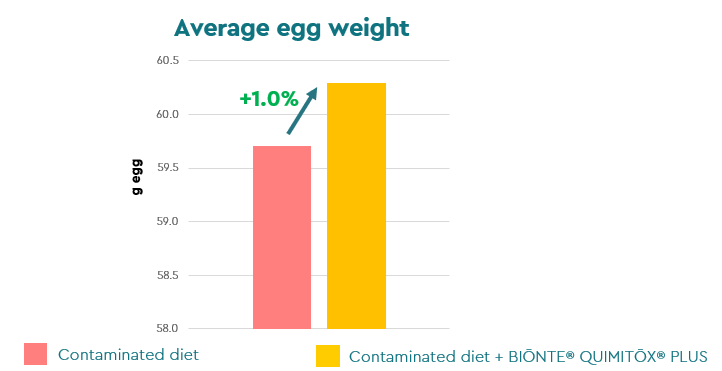
Figure 10: Average egg weight in animals exposed to the contaminated diet versus those exposed to the contaminated diet + BIŌNTE® QUIMITŌX® PLUS.
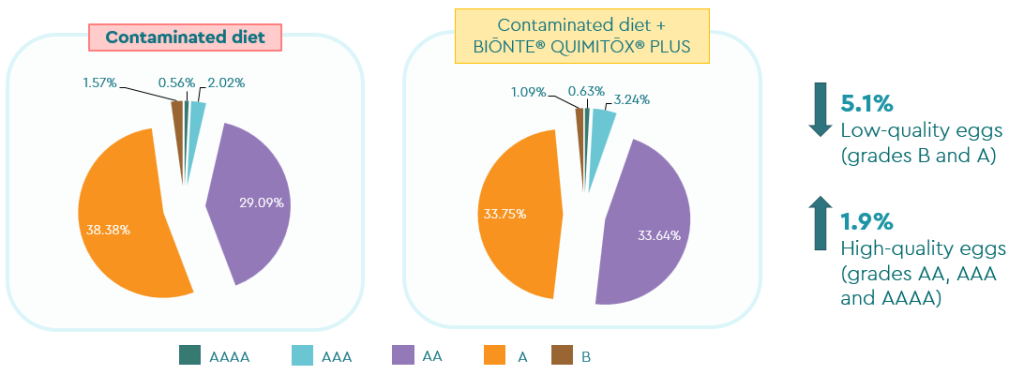
Figure 11: Egg classification based on quality. Produced by animals exposed to the contaminated diet (left), and by animals exposed to the contaminated diet + BIŌNTE® QUIMITŌX® PLUS (right).
The present field study also allowed for histopathological testing based on necropsies of selected individuals at week 21. Measurement of intestinal villus height and crypt depth was included, data that were translated into the calculation of the absorptive surface area. From this analysis, the properties of BIŌNTE® QUIMITŌX® PLUS in mitigating mycotoxin toxicity in the gastrointestinal tract and protecting its integrity and functionality were validated (Figures 12 and 13). This outcome directly correlated with the improved feed conversion ratio of the treated group, as a larger nutritional absorption surface translates into superior productive performance.
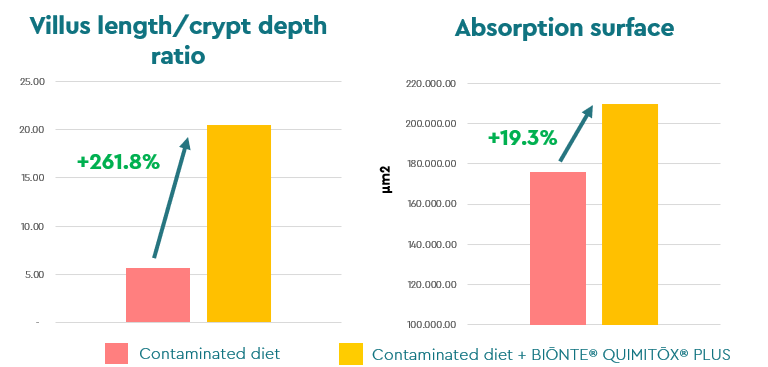
Figure 12: Villus height/crypt depth ratio and absorptive surface area in animals exposed to the contaminated diet versus those exposed to the contaminated diet + BIŌNTE® QUIMITŌX® PLUS, at week 21.
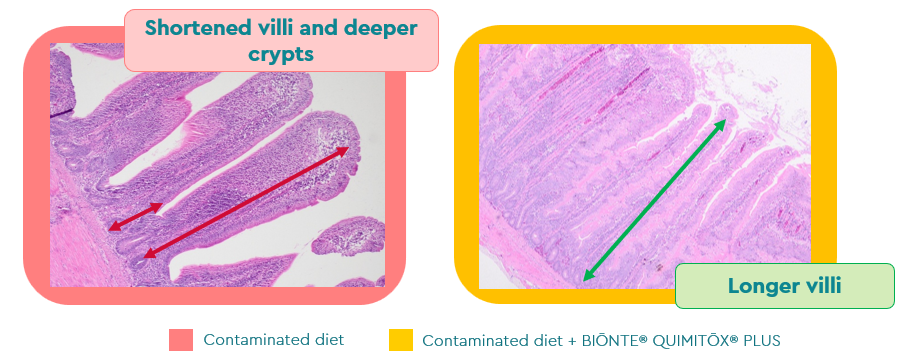
Figure 13: Histopathological images of intestinal villi in samples taken from animals exposed to the contaminated diet versus those exposed to the contaminated diet + BIŌNTE® QUIMITŌX® PLUS, at week 21.
The intestinal epithelium analysis was complemented by cell counts of goblet cells and polymorphonuclear leukocytes. These results demonstrated the properties of BIŌNTE® QUIMITŌX® PLUS ingredients in stimulating the defensive response of intestinal tissue, promoting protective mucus secretion through an increase in goblet cells, and activating the local immune response (Figure 14).
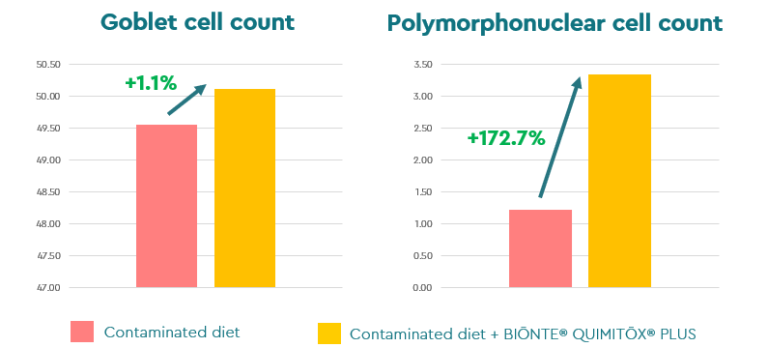
Figure 14: Goblet cell and polymorphonuclear cell counts in the intestinal epithelium of animals exposed to the contaminated diet versus those exposed to the contaminated diet + BIŌNTE® QUIMITŌX® PLUS, at week 21.
As one of the main target organs of mycotoxins, livers collected from the euthanized animals were categorized according to their appearance and size. From these assessments, it was reported that several livers from non-supplemented individuals showed significant inflammatory reactions and degenerative lesions associated with mycotoxicosis (Figure 15). Conversely, organs from animals treated with BIŌNTE® QUIMITŌX® PLUS exhibited a normal appearance and proportional size.
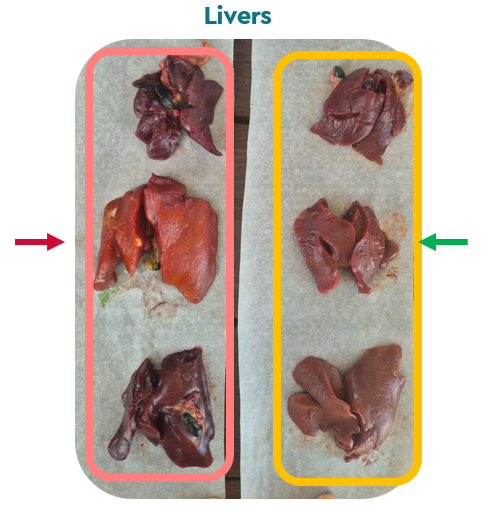
Figure 15: Photographs of livers from animals exposed to the contaminated diet (left/red) and those exposed to the contaminated diet + BIŌNTE® QUIMITŌX® PLUS (right/yellow), at week 21.
Conclusion
The results obtained from this field trial conducted in laying hens, from 5 to 35 weeks of age, validated the efficacy of BIŌNTE® QUIMITŌX® PLUS in mitigating mycotoxin toxicity at a dose of 1.5 kg/ton.
Across the different phases and despite varying mycotoxin risk levels in the diets, BIŌNTE® QUIMITŌX® PLUS successfully protected the animals systemically and optimized their performance.
During the early phases, it improved weight gain and reduced mortality rates, proving essential for their digestive health and immune response. Furthermore, upon reaching the production stage, it enhanced animal performance, increasing not only their overall efficiency but also egg weight and quality. Finally, necropsy results confirmed that the superior performance of animals receiving BIŌNTE® QUIMITŌX® PLUS stems from its intestinal, immunological, and hepatic benefits, making it a multi-action solution that provides comprehensive protection for laying hens.