Introduction
Consumption of aquatic products has experienced a steady increase since 1961, reflected in an average annual growth rate of 3%. This trend is driven by the predominant role of aquaculture, whose production volume has progressively surpassed that of traditional capture fisheries. This expansion is driven by the increase in per capita consumption of aquatic products, which in turn stems from increasing urbanization, rising population incomes, and new global dietary habits (FAO, 2022).
Within the aquaculture industry, tilapia ranks as the second most produced group of fish globally, preceded only by carp (FAO, 2022). The Nile tilapia (Oreochromis niloticus) is a freshwater teleost fish native to Africa, commonly associated with warm waters. However, it tolerates a wide range of water temperatures, as well as low oxygen concentrations and even brackish waters. This resilience, combined with its ability to utilize a great diversity of food resources, has driven its positioning as a key species for global fish production (Montoya-Camacho et al., 2019).
Despite its omnivorous tendencies, this species exhibits high crude protein requirements, which can exceed 45% of the total feed composition during more demanding production stages (El-sayed et al., 2004). Traditionally, the aquaculture sector has used fishmeal as the primary ingredient to meet the protein needs of different species. However, its high cost has driven a transition toward more cost-effective plant-based raw materials, such as soy and corn.
Nevertheless, these changes in the formulation of aquaculture feeds have created various challenges, most notably an increased risk of fish exposure to mycotoxins.
Mycotoxins in aquaculture
Mycotoxins are toxic secondary metabolites produced by various fungal species that are frequently found as contaminants in food and feed (Gruber-Dorninger et al., 2019). They represent a global food safety challenge, as they can affect humans both through the direct consumption of contaminated plant products and indirectly through food of animal origin derived from exposed livestock.
In aquaculture, this risk is not exclusively limited to the ingestion of contaminated feed; mycotoxins can also persist as residues in both water and sediments, broadening the exposure pathways for aquatic species. The presence of these toxins has detrimental effects both on animal health (severely affecting productivity) and the safety of the consumers.
Regarding their toxicity, the main effects and clinical signs include oxidative stress, histopathological alterations in the gills and liver, behavioral changes, reduced weight gain, and even higher mortalities. These effects vary not only depending on the productive species and its production stage, but also according to the type of mycotoxin, the concentration ingested, and the duration of exposure to the contaminant (Oliveira et al., 2020).
Finally, the high thermostability of these compounds must be emphasized, which allows them to resist the heat treatments and processing methods commonly used in the production of aquaculture feed (Gbashi et al., 2019; Sueck et al., 2019).
Mycotoxins in tilapia production
The pathophysiological effects of the most widely studied mycotoxins in Nile tilapia are described below. However, it should be noted that, despite describing the individual effects of each, the most frequent situation in nature is co-contamination by multiple mycotoxins rather than isolated detection. The relevance of this scenario lies in the fact that these toxins often act synergistically, meaning that their simultaneous presence in the same feed enhances their toxicity.
Aflatoxins
Aflatoxins include a group of mycotoxins produced by species of the genus Aspergillus, primarily A. flavus and A. parasiticus, which synthesize aflatoxins B1, B2, G1, and G2. Among these, aflatoxin B1 (AFB1) is notable for its marked carcinogenic potential and its ability to bioaccumulate in target tissues (Cáceres et al., 2020).
In tilapia farming, exposure to these compounds triggers a cascade of pathophysiological effects that severely compromise productive performance. Research such as that by Tuan et al. (2002) demonstrated that dietary inclusions of 2.5 ppm induce liver damage, such as necrosis and lipofuscin accumulation, as well as severe hematological alterations, with reductions in hematocrit from 35% to 26%. This damage is reflected in an inhibition of weight gain ranging from 52% (with doses of 2.5 ppm of AFB1) to 92% (with 10 ppm of AFB1) compared to animals on mycotoxin-free diets.
On the other hand, chronic exposure studies with lower doses show that concentrations from 638 ppb cause vacuolar degeneration and cellular apoptosis in the liver. This is manifested in the alteration of key plasma biomarkers such as Alanine Aminotransferase (ALT) and Aspartate Aminotransferase (AST), in addition to a drop in albumin and total protein, which indicate the compromise of hepatic and renal function. Furthermore, the transfer of the mycotoxin into muscle and liver tissue has been confirmed starting at doses of 245 ppb, which compromises the viability of the batch and represents a direct risk to food safety and consumer health (Deng et al., 2010).
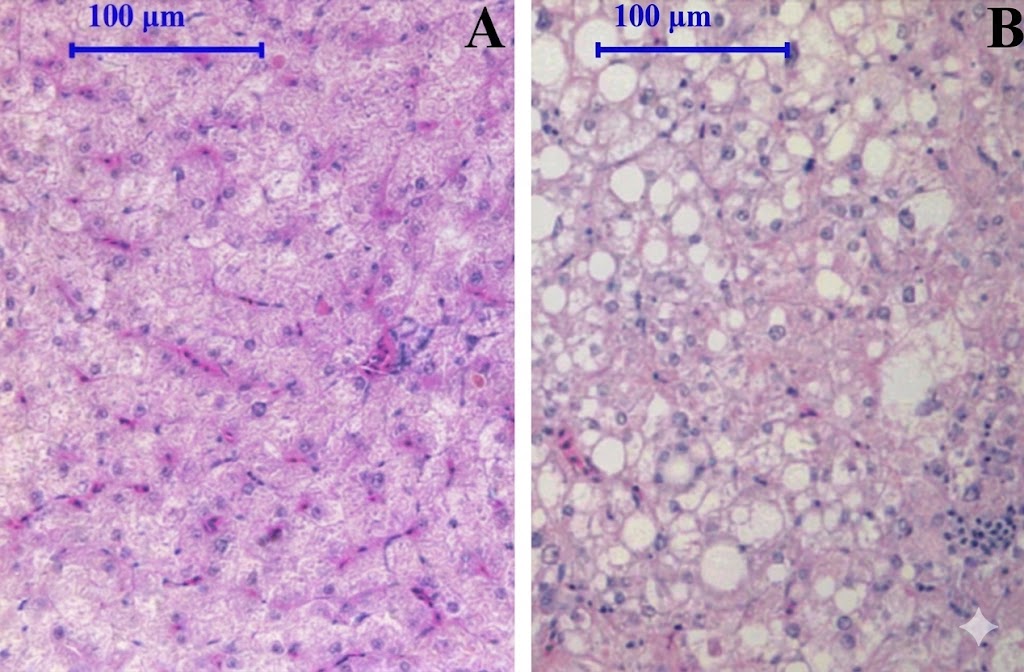
Image 1. Histological sections of tilapia liver. (A) Intact tissue; (B) vacuolar degeneration caused by AFB1 (Deng et al., 2010).
Fumonisins
For their part, fumonisins are mycotoxins originating from fungi of the genus Fusarium, primarily the species F. verticillioides and F. proliferatum, which are responsible for the synthesis of the B1, B2, and B3 variants (Cáceres et al., 2020).
In Nile tilapia specimens, the effects documented by Lala et al. (2021) for fumonisins B1 and B2 (FB1+FB2) include the induction of oxidative stress at the cellular level starting from doses of 20 ppm. This is reflected in alterations of plasma biomarkers, such as the reduction of glutathione peroxidase and the increase of the 70 kDa heat shock protein (HSP70). This metabolic disruption translates into severe liver lesions, such as necrosis and an imbalance in cellular apoptosis pathways, marked in turn by the inhibition of key biomarkers such as sphingosine-1-phosphate lyase and caspase-7.
At the production level, the toxicity of these mycotoxins directly impacts batch performance. Research such as that by Lala et al. (2021) confirmed that dietary levels of 50 ppm of fumonisins (FB1+FB2) result in a significant decrease in growth. This is explained by the downregulation of genes related to the somatotropic axis, specifically the inhibition of Insulin-like Growth Factor 1 (IGF-1) and the Growth Hormone Receptor (GHR) in the liver, which are essential for muscle development in fish.
Ochratoxin A
Ochratoxins constitute a group of fungal metabolites generated primarily by species of the genera Aspergillus and Penicillium. Within this group, ochratoxin A (OTA) stands out as the most prevalent variant, for which the primary effects on tilapia production have been recorded. According to the study presented by Diab et al. (2018), the dietary inclusion of this mycotoxin, at levels as low as 80 ppb, triggers various adverse effects that seriously compromise profitability, manifesting as growth inhibition reflected in a 13% reduction in weight gain.
At the pathophysiological level, exposure to OTA induces systemic degeneration characterized by severe liver damage, reflected in the enzymatic increase of Aspartate Aminotransferase (AST) and Alkaline Phosphatase (ALP) in the plasma, along with marked renal toxicity, observable through increased plasma concentrations of creatinine and uric acid. This damage, in turn, causes a higher mortality rate, which rises from 10% at a dose of 80 ppb to 27% at a dose of 160 ppb.
This degradation not only increases tilapia mortality but also drastically alters the commercial value of the final product by degrading fillet quality (reducing dry matter and crude protein levels) and promoting the bioaccumulation of the metabolite in edible tissues. This once again shifts the risk from the production system directly toward the food safety of the final consumer (Diab et al., 2018).
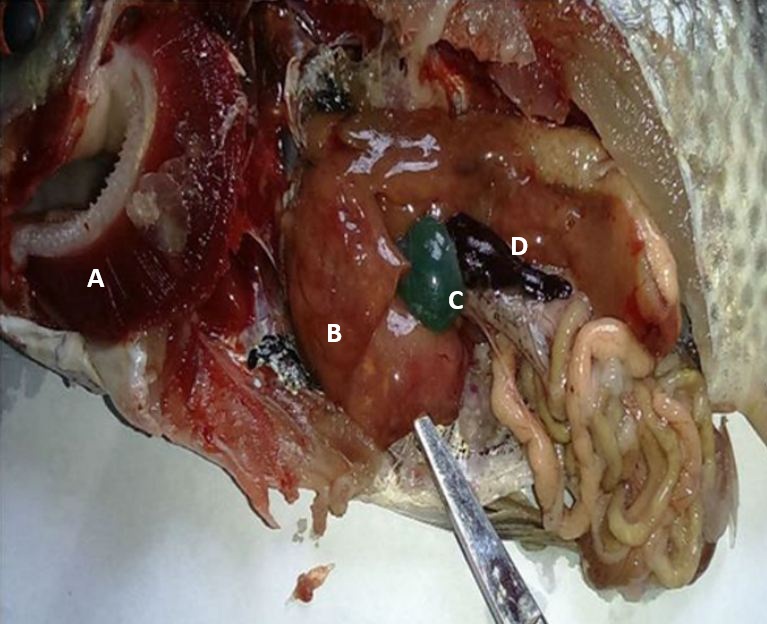
Image 2. Nile tilapia specimen intoxicated with OTA showing congested gills (A), pale and enlarged liver with necrotic foci (B), enlarged gall bladder (C), and congestive and enlarged spleen (D) (Diab et al., 2018).
T-2 Toxin
Continuing with T-2 toxin, it consists of a trichothecene produced by fungi of the genus Fusarium that colonize corn, wheat, and soybean crops, thereby contaminating the grains used in aquaculture feed (Schatzmayr & Streit, 2013). In tilapia, according to Deng et al. (2019), its presence reduces survival from 92% to 88% at the highest doses tested (24.3 ppm) and significantly stunts growth starting from 10.8 ppm; the growth rate can drop by as much as 6% with inclusions of 24.3 ppm.
At the pathophysiological level, as indicated by Deng et al. (2019), the hepatosomatic index reveals progressive organ damage: while it increases slightly at 4.8 ppm due to inflammatory processes, it drops drastically from 16.2 ppm onwards due to tissue degradation. Histological lesions progress from sinusoidal congestion and capillary dilation at low doses to cytoplasmic vacuolization and total cellular disorganization with marked nuclear degradation at levels of 24.3 ppm.
This clinical picture is exacerbated by the bioaccumulation of the toxin, with residues detected in the muscle and liver starting at doses of 4.8 ppm. At the maximum doses, concentrations in the muscle tissue reach 33.58 ppb, which deteriorates the fish’s health and constitutes a direct risk to food safety (Deng et al., 2019).
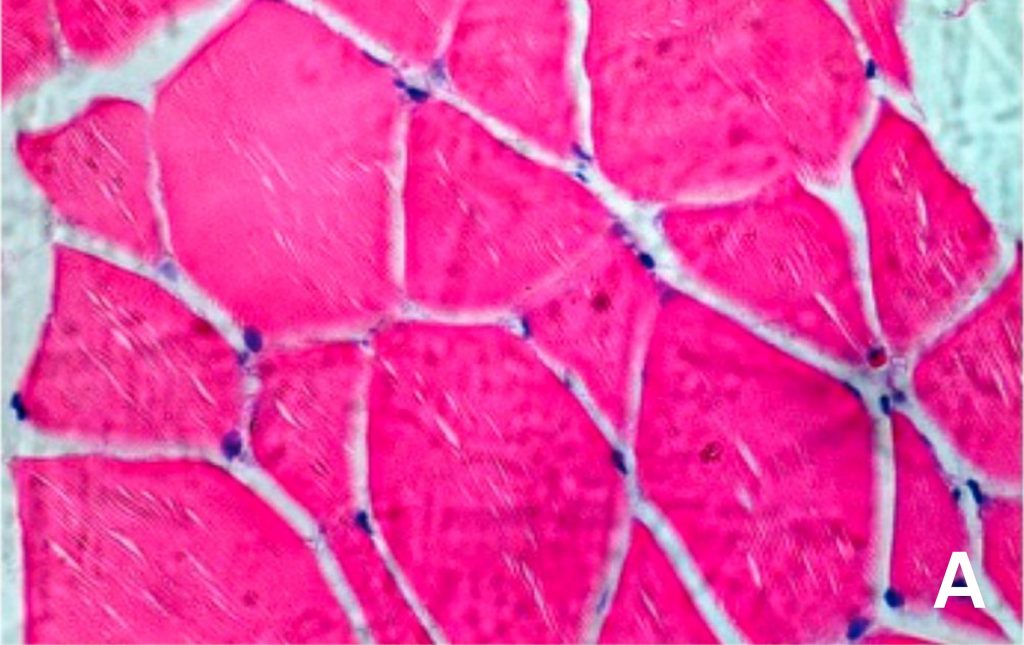
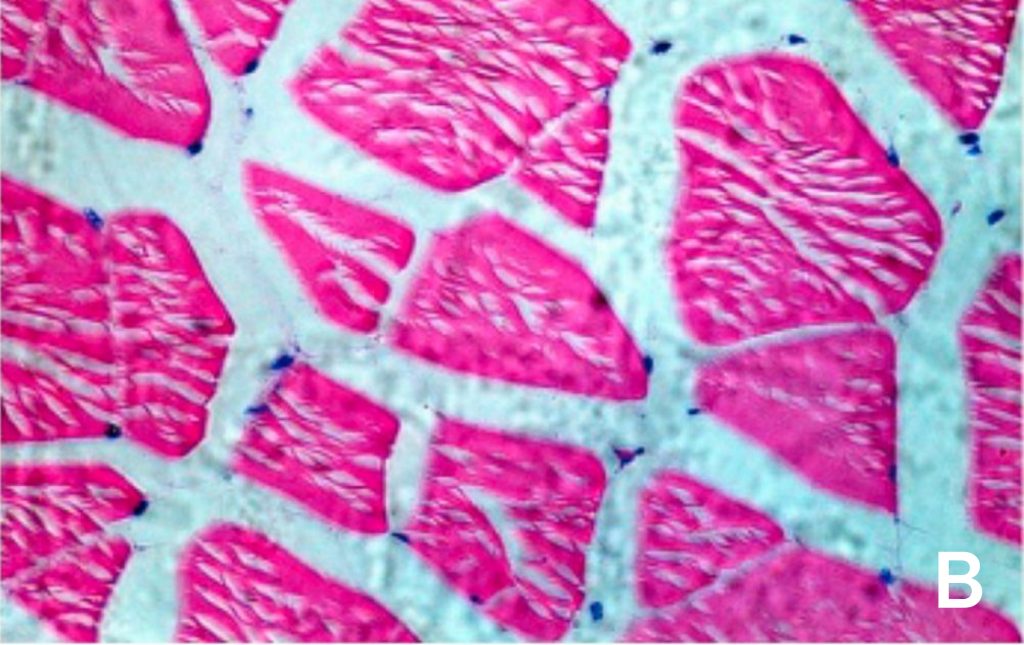

Image 3. Histological sections of tilapia muscle. (A) Intact tissue; (B) Histopathological alterations caused by medium doses of T-2 toxin: Dissolution of myofibrils and cavitation; (C) Histopathological alterations caused by high doses of T-2 toxin: Severe dissolution of myofibrils and massive destruction of muscle structure.
Zearalenone
Zearalenone (ZEN) is a mycotoxin produced by various species of the genus Fusarium, primarily F. graminearum, whose synthesis is favored by low temperatures and high-water activity in the substrate. This molecule is notable for its high absorption rate and its subsequent bioactivation in the liver into metabolites such as α-zearalenol, which possesses an estrogenic strength superior to that of the original toxin itself (Schatzmayr and Streit, 2013).
In tilapia farming, ZEN acts as an endocrine disruptor due to its conformational similarity to 17-β estradiol, mimicking its effects by binding to estrogen receptors. According to the study by Braggio et al. (2015), chronic exposure to diets contaminated with levels of up to 5 ppm of ZEN causes significant alterations in reproductive parameters. A drastic reduction in egg size has been documented, with volumes dropping from 1,763.87 mm³ in the control group to levels as low as 514.37 mm³ in the groups with the highest exposure, which compromises yolk reserves and the early development of fry. At a physiological level, zearalenone impacts sexes differentially. In females, an increase in the Gonadosomatic Index (GSI) has been observed at high doses (0.109 in animals dosed with 5 ppm compared to 0.042 in those on mycotoxin-free diets), which is indicative of a disruption in oogenesis caused by its estrogenic activity. Conversely, males exhibit significantly lower GSI values and a lower apparent sensitivity to these effects on the sexual organs under the same study conditions. Finally, this metabolite also influences the lipid composition of the fillet according to the study. The inclusion of ZEN in the diet correlates with an increase in polyunsaturated fatty acids (PUFAs) such as Docosapentaenoic Acid (DPA) and Dihomo-gamma-linolenic Acid (DGLA), which are directly involved in the regulation of inflammatory processes and the fish’s immune response.
Emerging Mycotoxins in Tilapia Production
The term ’emerging mycotoxins‘ includes those which, despite scientific evidence regarding their toxicity in humans and animals, are not yet subject to legal regulations or systematic analytical controls (Arroyo-Manzanares et al., 2019; Khoshal et al., 2019; Krug et al., 2018). Nevertheless, interest in these compounds has grown significantly in recent years, driven primarily by their recurring detection in raw materials and feeds used in the livestock industry (Hasuda et al., 2023).
A relevant example is sterigmatocystin, a mycotoxin produced by fungi of the genus Aspergillus and a precursor in the biosynthesis of aflatoxins. In tilapia, according to the findings presented by Mahrous et al. (2006) with tested doses of 1.6 ppb per kg of body weight, sterigmatocystin triggers mortalities close to 25%, manifesting clinical signs such as skin darkening and erratic swimming just a few days after administration. At the pathophysiological level, according to this study, sterigmatocystin attacks vital organs, causing necrosis and cellular lysis in liver tissue, in addition to a marked infiltration of melanophores. In the gills, the toxin induces lamellar hyperplasia, edema, and hemorrhages that compromise respiratory function, while in the spleen, it causes the destruction of cellular components and melano-macrophage centers.
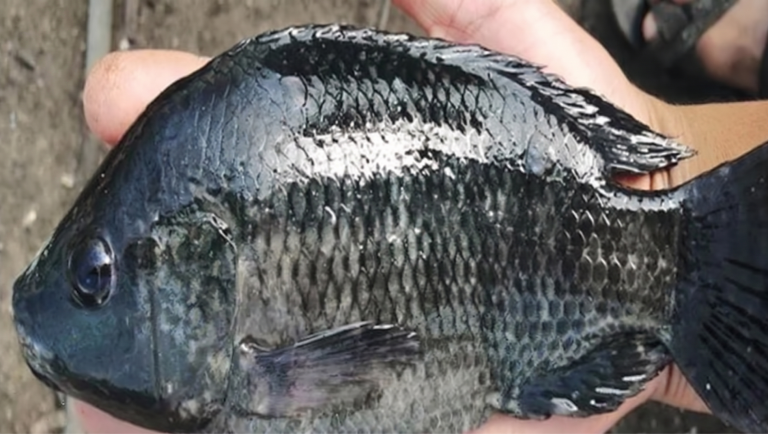
Image 5. Skin darkening due to stress factors in tilapia (Eissa et al., 2024).
Conclusion
The transition toward aquaculture diets based on plant-derived ingredients emerges as a strategic response to ensure the economic and environmental sustainability of the sector. However, despite the advantages in terms of cost and availability, this shift increases the vulnerability of feed to mycotoxin contamination.
In Nile tilapia farming, the presence of these fungal metabolites represents a critical challenge that compromises both animal welfare and production parameters. Therefore, rigorous mycotoxin management is indispensable, not only to protect fish health but also to ensure efficient production and the quality of products destined for human consumption.